
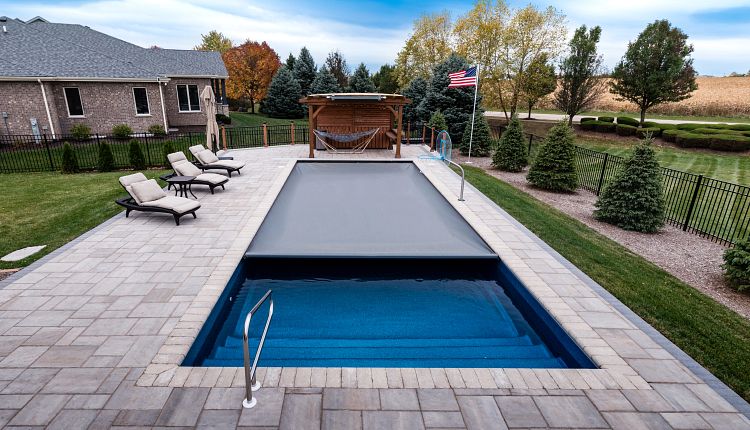
How To Open an Automatic Pool Cover
Opening your automatic cover for pool should be a seamless process that takes just minutes. However, many Dallas homeowners struggle with their systems due to improper technique or lack of maintenance knowledge. At AquaVida Pools and Spas, we help customers throughout Dallas, TX, understand their automatic pool cover systems to ensure smooth operation season after season. Whether you’ve just installed a new system or you’re preparing your pool for another Texas swimming season, understanding the proper opening procedure protects your investment and ensures safety. Moreover, following the correct steps prevents costly repairs and extends your cover’s lifespan significantly. Understanding Your Automatic Pool Cover System Before opening your cover, it’s essential to understand how your motorized pool cover operates. These sophisticated systems combine mechanical components, electrical controls, and durable materials to provide convenience and protection. Furthermore, most modern systems feature safety sensors that prevent operation when obstructions are detected. An electric pool cover system typically consists of several key components: the cover material itself, a motor assembly, rope and pulley mechanisms, tracks or rails, and a control switch. Additionally, the system may include features like automatic shutoff, LED indicators, and emergency manual operation capabilities. Pre-Opening Inspection Checklist Before activating your retractable pool cover, perform a thorough inspection. This preventive step saves time and prevents damage to your system. First, examine the cover surface for debris accumulation. Remove leaves, branches, standing water, and any other materials that could interfere with operation. Next, check the tracks for obstructions or damage. Then, inspect visible components for wear, corrosion, or loose connections. Additionally, verify that your swimming pool safety cover shows no signs of tearing, excessive wear, or stress points. These issues require immediate attention before operating the system. Therefore, addressing problems early prevents more extensive damage during operation. Step-by-Step Opening Process Step 1: Clear Debris and Standing Water Begin by removing all debris from your pool debris protection cover. Use a leaf blower, soft broom, or pool cover pump to clear the surface. Standing water adds significant weight and stress to the system. Moreover, debris can become trapped in the track system, causing jams or motor strain. For your inground pool automatic cover, pay special attention to the leading edge where the cover meets the water. This area collects the most debris and requires thorough cleaning before operation. Step 2: Check the Track System Inspect your pool cover track system carefully. Look for debris, damage, or misalignment that could prevent smooth operation. The tracks guide your cover during opening and closing, so any obstruction causes immediate problems. Furthermore, ensure the tracks are clean and lubricated according to manufacturer specifications. Most systems benefit from periodic cleaning with mild soap and water, followed by approved lubricant application to moving parts. Step 3: Verify Power Supply Confirm your electric pool cover system has proper power. Check the circuit breaker, GFCI outlet, and any visible wiring for issues. Additionally, test the key switch or control panel to ensure it responds correctly. If your system includes battery backup, verify the backup system is charged and functional. This feature proves invaluable during power outages or electrical issues. Step 4: Activate the Opening Sequence Turn the key switch or press the control button to begin opening your motorized pool cover. Watch the cover carefully throughout the operation, listening for unusual sounds that might indicate problems. The cover should move smoothly and evenly across the pool surface. Meanwhile, observe the leading edge to ensure it tracks properly without binding or catching. If you notice any irregularities, stop immediately and investigate before continuing. Step 5: Complete the Opening Allow the automatic cover for pool to fully retract into the housing. Most systems include automatic shutoff when fully open, but monitor the process to ensure proper completion. Once open, the cover should sit completely within its housing without any material exposed. Maximizing Your Energy Saving Pool Cover Benefits Your energy saving pool cover works hardest when closed, but proper opening technique preserves its efficiency. A well-maintained cover reduces heating costs by up to 70% throughout the Dallas swimming season. Therefore, caring for your system during opening and closing operations protects this valuable energy-saving feature. Additionally, your pool heat retention cover prevents overnight heat loss and reduces chemical evaporation. These benefits continue only when the cover remains in excellent condition, making proper opening procedures essential for maintaining performance. Troubleshooting Common Opening Issues Cover Won’t Move If your retractable pool cover doesn’t respond to controls, check several potential causes. First, verify power supply to the system. Next, inspect the emergency stop button—it may be engaged. Then, examine the motor area for obstructions or manual release engagement. Sometimes, the issue involves the pool cover replacement motor. Motors eventually wear out, particularly in high-use installations. Professional assessment determines whether motor replacement is necessary. Uneven Movement When your cover opens unevenly, track alignment usually causes the problem. The pool cover track system may need adjustment, cleaning, or repair. Additionally, rope tension might require balancing on both sides of the system. Furthermore, your weatherproof pool cover material itself might have stretched or shrunk due to temperature changes. Dallas’s extreme temperature fluctuations can affect cover materials, particularly during summer heat. Strange Noises Unusual sounds during operation indicate potential problems. Grinding noises suggest debris in tracks or worn components. Clicking sounds might indicate motor issues or electrical problems. Meanwhile, squeaking often means insufficient lubrication or worn pulleys. Address these issues promptly through professional pool cover maintenance to prevent more serious damage. Maintaining Your System Throughout the Season Regular pool cover maintenance ensures reliable operation and extends system life. After opening, inspect all visible components for wear or damage. Clean tracks monthly during active swimming season. Additionally, lubricate moving parts according to manufacturer recommendations. Your custom pool covers require specific care based on their materials and design. At AquaVida Pools and Spas, we provide tailored maintenance plans for Dallas homeowners, ensuring optimal performance regardless of cover type. Moreover, professional inspections catch developing problems before they cause system failure. Schedule annual maintenance with