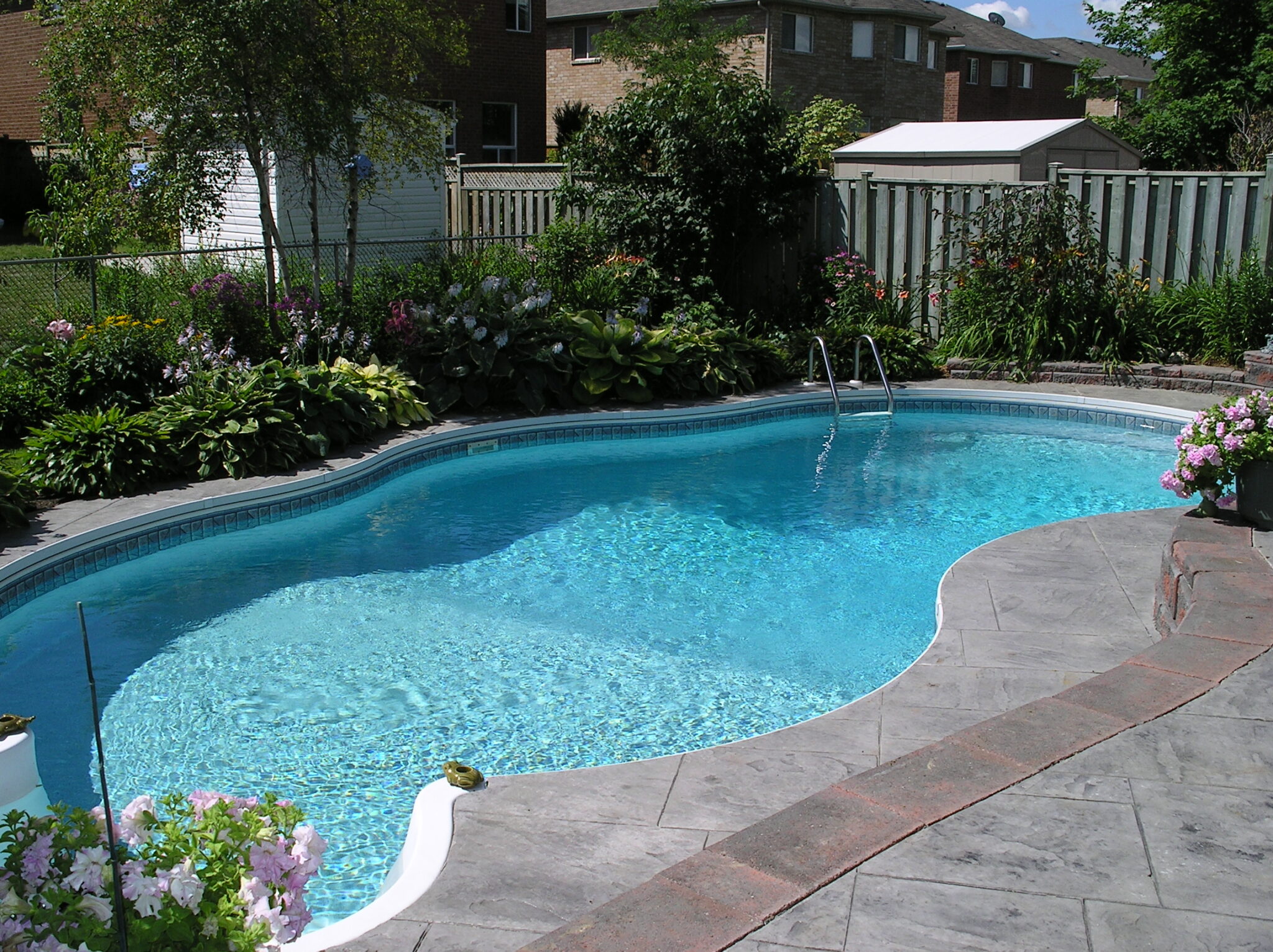
Fiberglass Pool Installation in one’s backyard is an investment both in terms of property value and lifestyle. Unlike concrete or vinyl liners, fiberglass pools arrive prefabricated at homes ready for installation; this streamline process significantly shortens the time from excavation to first swim – an appealing feature among homeowners looking for efficiency and durability in one package.
Preparing the Ground for Success
Once a design and layout have been finalized, excavation begins in earnest. Following careful removal of earth from an exact replica of your chosen pool shell’s dimensions, an excavation team carefully clears away earth to form a hole that fits those specifications exactly. Precision at this stage is key, as plumbing needs and special bedding materials require some space in which they can operate freely.
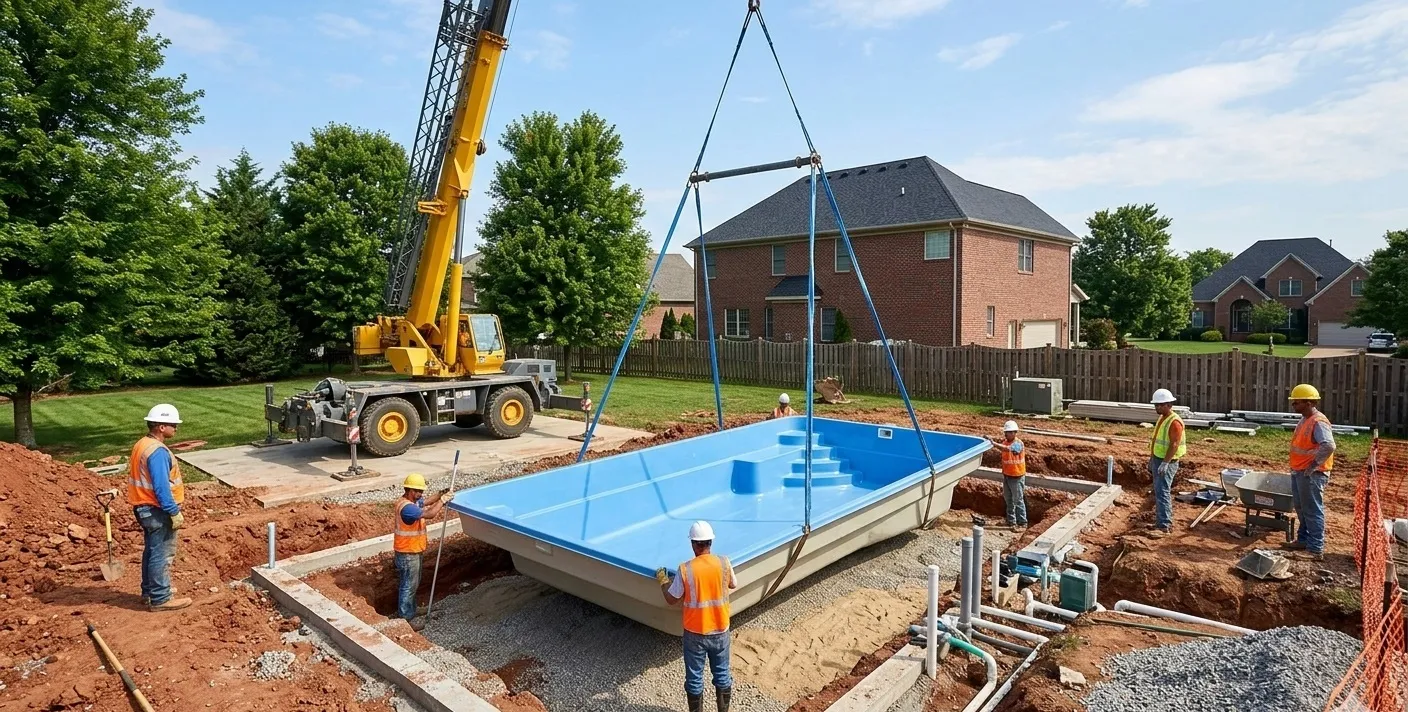
As a rule, crushed stone or gravel should serve as the ideal material to form the pool base. Crushed stones offer superior drainage capabilities while not shifting or washing away over time; furthermore, levelness at this critical step in installation must not be compromised – even minor tilts at its foundation could create structural stress or an unbalanced waterline once filled up with water.
Arrival and Installation of Shell on Board Ship
As soon as the pool shell arrives, its installation becomes an engineering marvel. Utilizing either a crane or large excavator, its one-piece structure is lifted into the air before slowly being lowered into place into its prepared hole. During this stage, AquaVida Pools and Spas’ professional installers carefully verify levels from various angles before beginning installation work.
Once a shell has been perfectly installed, “setting” must take place to complete its position. For this to work effectively, water must be gradually added from both internal and external sources until an equal pressure distribution occurs throughout; this ensures the walls don’t bulge inward during this process and remain flat.
Plumbing and Electrical Integration
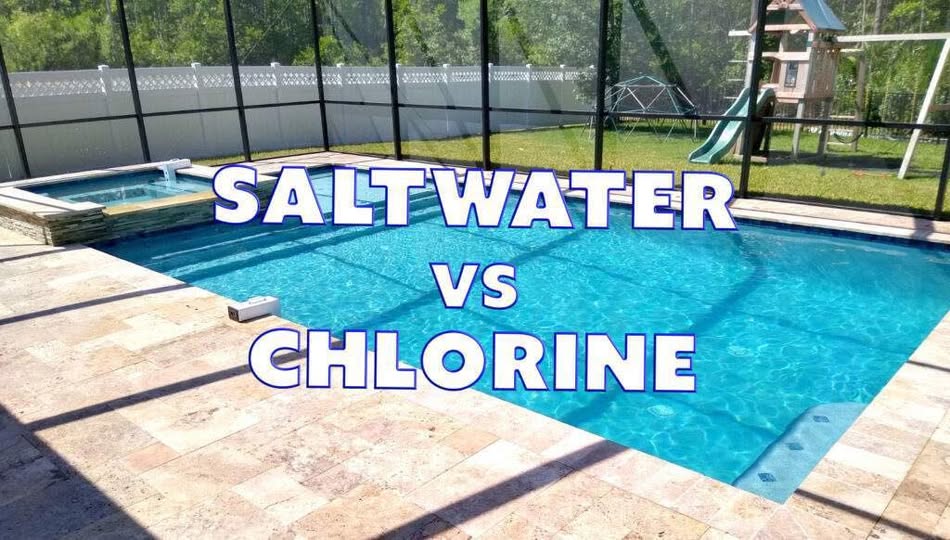
Once the shell has been secured, attention shifts towards installing its mechanical systems. High-grade PVC pipe connects all returns, skimmers and drains in order to lead them back to an equipment pad where pumps, filters and heaters reside; oftentimes, additional features like saltwater chlorinators or LED lighting systems may be added as part of an upgraded installation.
Electrical wiring must then be securely routed for powering both the filtration system and any underwater features, and all plumbing lines should be pressure-tested prior to backfilling in order to detect any hidden leaks beneath the surface.
Final Surrounding and Coping
Once all mechanical systems have been verified, any remaining space around the pool must be filled and compacted before adding the final structural component – the bond beam – which locks the fiberglass shell to the surrounding earth for a secure foundation for the coping and provides a firm locking mechanism against further water ingress.
Coping is used as the transition from pool to patio, providing both aesthetics and non-slip edges for swimmers. Once decking has been laid and water chemistry adjusted accordingly, the transformation of any backyard becomes complete.
Fiberglass Advantages over Time
One of the main advantages of this installation method lies in the nonporous nature of its gel coat finish, which reduces algae growth while using fewer chemicals than concrete pools. As its shell is flexible enough to bend with shifting ground levels or seasonal weather patterns without cracking under strain, its capabilities extend further than just transportation needs.
Associating themselves with AquaVida Pools and Spas for their pool design and installation ensures every technical element from soil compaction to hydraulic flow is addressed expertly, for an incredible aquatic retreat that requires minimal upkeep requirements over the years of enjoyment.
Dallas Outdoor Kitchen Designs for Maximum Entertainment in 2026
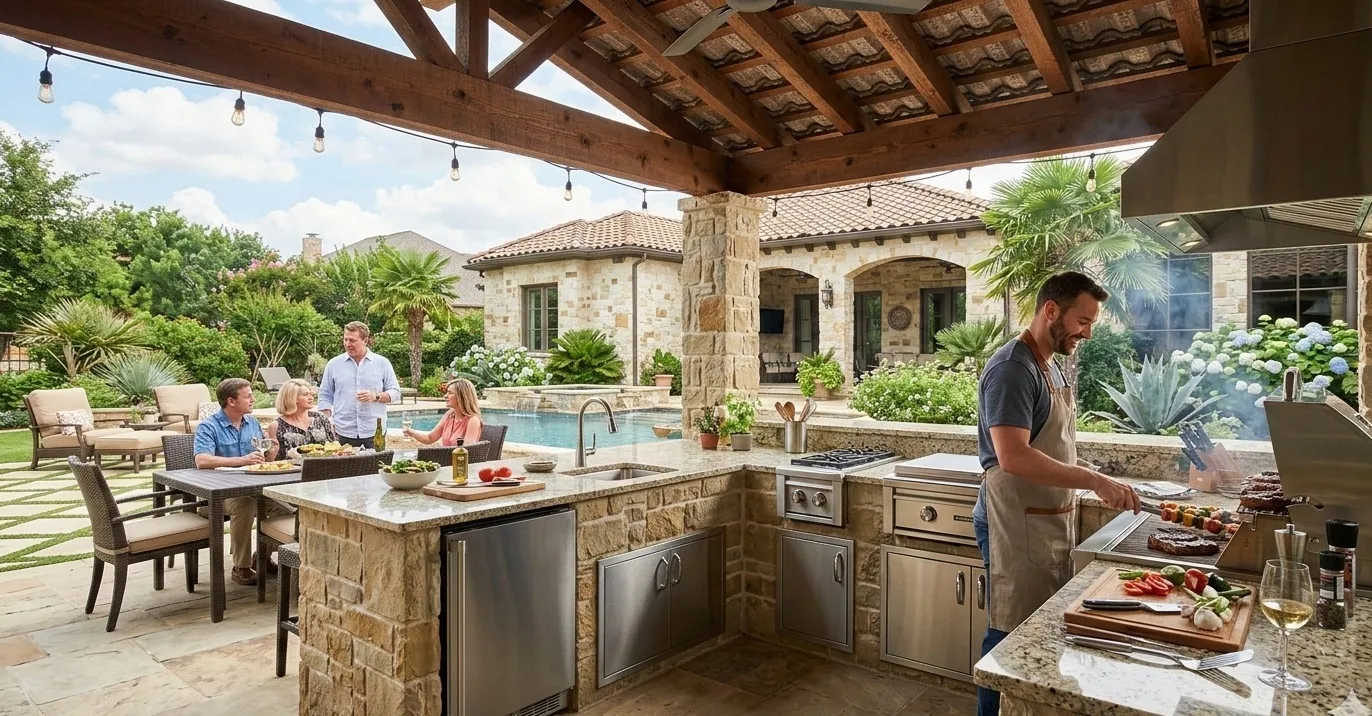
Making an outdoor kitchen isn’t just about putting that BBQ on the terrace in the unique North Texas weather; an open-air kitchen acts as a bridge between the luxurious indoor comforts and the raw North Texas nature, making cooking trek completely hassle-free even with the tough outdoors.
If you want a green Outdoor Kitchen Specialists Dallas that will be around for a very long time and also be a nice entertaining point in outdoor while being easily able to handle the nature-related stuff, then you have to reflect on three things: architecture, material, and outdoor flow, very carefully.
Determining an Efficiency-Enhancing Layout
Professional-grade outdoor kitchens rely on “functional zone” layout as the cornerstone. Just as in indoor kitchens, its goal is to reduce unnecessary movement between prep, cook and clean areas – in this instance, it often means linear islands for smaller footprints that keep all appliances together, while L-shaped designs often create natural corners for sinks or pizza ovens that separate “hot zone” and “cold zone.”
U-shaped layouts offer maximum counter space, enabling chefs to be part of the conversation while guests sit comfortably at raised bars on either side. This design works particularly well when hosting large-scale entertaining, creating an effective separation between the cooking area and the social gathering area.
Material Selection in the North Texas Climate
Dallas homeowners face unique environmental challenges, from intense summer heatwaves to sudden freeze cycles. To best protect themselves and their property against these risks, materials that are nonporous and UV resistant must be selected with no exceptions, with granite often the ideal material because of its non-warping or warping capabilities under high temperatures; marble might prove too porous even with proper sealing measures in place.
Cabinets and structures made of stainless steel or marine-grade polymer are of the highest standards, offering sleek industrial appeal while resisting corrosion and rusting. AquaVida Pools and Spas often incorporates stone veneers or stacked stones at the bases of kitchen islands for high-end projects to add visual continuity between local pool deck designs and their kitchen island locations, giving the feeling that everything fits seamlessly together visually.
Essential Appliances that go Beyond the Grill
As much as the grill may be the centerpiece of outdoor kitchens, modern outdoor spaces feature an impressive assortment of specialty appliances to rival indoor setups. High-output power burners are essential to boiling large pots or searing at extreme temperatures; outdoor-rated refrigeration units help ensure internal temperatures don’t go beyond 100 degrees Fahrenheit and maintain internal stability even in extreme heat environments.
Integrating a beverage center or under-counter ice maker reduces guests’ travel times to and from the main house. If gourmet experiences are the priority, wood-fired pizza ovens and ceramic kamado-style smokers add another level of versatility that standard gas grills cannot. They turn a simple barbecue area into an outdoor culinary laboratory.
Integrate Lighting and Climate Control Systems Together
Lighting and climate management must be planned into any design project to guarantee year-round use of space. Task lighting on cooking/prep surfaces for safety after sunset; ambient LED strip lighting under counter overhangs provides a soft glow, provides soft ambience ideal for dining; ambient LED strips in undercounter overhangs offer a soft glow for dining purposes.
Given Dallas’s intense sun, overhead structures such as pergolas or pavilions become essential functional necessities in terms of shade protection from direct sunrays. Integral ceiling fans provide welcome respite during hotter summer days; infrared heaters extend outdoor use even deeper into autumn months.
Engineer for Longevity and Safety
Planning is at the core of every successful outdoor kitchen, from drainage plumbing and drain cisterns, dedicated electrical circuits for high-draw appliances, gas lines buried at their proper depths and professional ventilation ensuring adequate heat or gas accumulation underneath countertops. AquaVida Pools & Spas takes great pride in making sure their projects provide both safety and beauty for Dallas families to enjoy for many years to come.
——
Faqs:
How long does the fiberglass pool installation process take?
Unlike concrete pools that can take months, a fiberglass pool at AquaVida Pools and Spas can often be installed and ready for water in as little as two to four weeks. The pre-manufactured shell allows for a much faster backyard transformation.
Can fiberglass pools be installed in any soil type?
Yes, fiberglass shells are ideal for various soil conditions because they are slightly flexible. This flexibility allows the pool to withstand minor ground shifts or freeze-thaw cycles without the structural cracking often seen in rigid concrete pools.
How durable is the surface of a fiberglass pool?
The gel coat surface is incredibly tough and smooth. It is designed to resist scratches, UV fading, and chemical wear. Because it is non-porous, it also prevents algae from taking root, which means you spend less time scrubbing and more time swimming.
How does the cost of fiberglass compare to other pool types?
The initial investment is typically higher than a vinyl liner pool but comparable to a high-end concrete pool. However, when you factor in the lower chemical costs and the lack of future resurfacing or liner replacements, fiberglass is often the most cost-effective option over time.
What are the most durable countertop materials for the Dallas climate?
Granite and quartzite are the top choices because they are dense enough to handle extreme heat and UV exposure without fading or cracking. Many homeowners prefer these natural stones for their ability to resist staining from food and outdoor debris while maintaining a high-end appearance.
Do I need a permit to build an outdoor kitchen in Dallas?
Yes, most municipalities in the Dallas-Fort Worth area require permits for plumbing, electrical, and gas line extensions. Working with AquaVida Pools and Spas ensures that all technical drawings meet local building codes and that the necessary inspections are scheduled to guarantee safety and compliance.
What is the ideal layout for a small backyard space?
A linear or “straight run” kitchen island is the most efficient choice for smaller footprints, as it keeps all utilities along a single wall. This setup maximizes the remaining yard space for seating or landscaping while still providing professional-grade cooking capabilities.
How long does the typical installation process take?
The timeline varies based on the complexity of the masonry and utility runs, but most projects are completed within three to five weeks after the design is finalized. This includes the time needed for gas line trenching, electrical wiring, and the curing of any stone or tile work.