Author name: Seo Deparment

Pool Installation

How To Open an Automatic Pool Cover

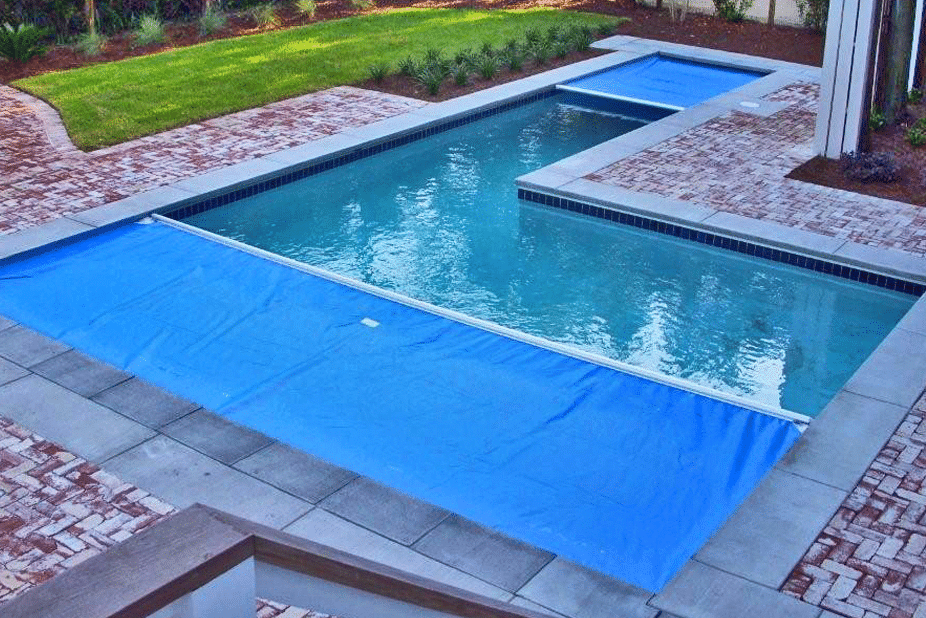
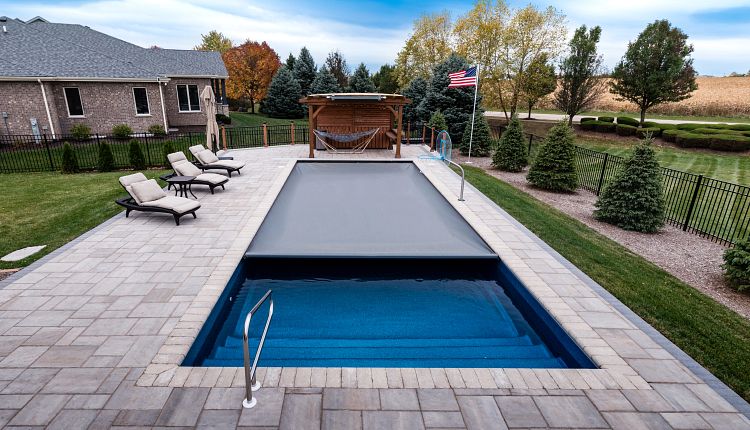
Opening your automatic cover for pool should be a seamless process that takes just minutes. However, many Dallas homeowners struggle with their systems due to improper technique or lack of maintenance knowledge. At AquaVida Pools and Spas, we help customers throughout Dallas, TX, understand their automatic pool cover systems to ensure smooth operation season after season. Whether you’ve just installed a new system or you’re preparing your pool for another Texas swimming season, understanding the proper opening procedure protects your investment and ensures safety. Moreover, following the correct steps prevents costly repairs and extends your cover’s lifespan significantly. Understanding Your Automatic Pool Cover System Before opening your cover, it’s essential to understand how your motorized pool cover operates. These sophisticated systems combine mechanical components, electrical controls, and durable materials to provide convenience and protection. Furthermore, most modern systems feature safety sensors that prevent operation when obstructions are detected. An electric pool cover system typically consists of several key components: the cover material itself, a motor assembly, rope and pulley mechanisms, tracks or rails, and a control switch. Additionally, the system may include features like automatic shutoff, LED indicators, and emergency manual operation capabilities. Pre-Opening Inspection Checklist Before activating your retractable pool cover, perform a thorough inspection. This preventive step saves time and prevents damage to your system. First, examine the cover surface for debris accumulation. Remove leaves, branches, standing water, and any other materials that could interfere with operation. Next, check the tracks for obstructions or damage. Then, inspect visible components for wear, corrosion, or loose connections. Additionally, verify that your swimming pool safety cover shows no signs of tearing, excessive wear, or stress points. These issues require immediate attention before operating the system. Therefore, addressing problems early prevents more extensive damage during operation. Step-by-Step Opening Process Step 1: Clear Debris and Standing Water Begin by removing all debris from your pool debris protection cover. Use a leaf blower, soft broom, or pool cover pump to clear the surface. Standing water adds significant weight and stress to the system. Moreover, debris can become trapped in the track system, causing jams or motor strain. For your inground pool automatic cover, pay special attention to the leading edge where the cover meets the water. This area collects the most debris and requires thorough cleaning before operation. Step 2: Check the Track System Inspect your pool cover track system carefully. Look for debris, damage, or misalignment that could prevent smooth operation. The tracks guide your cover during opening and closing, so any obstruction causes immediate problems. Furthermore, ensure the tracks are clean and lubricated according to manufacturer specifications. Most systems benefit from periodic cleaning with mild soap and water, followed by approved lubricant application to moving parts. Step 3: Verify Power Supply Confirm your electric pool cover system has proper power. Check the circuit breaker, GFCI outlet, and any visible wiring for issues. Additionally, test the key switch or control panel to ensure it responds correctly. If your system includes battery backup, verify the backup system is charged and functional. This feature proves invaluable during power outages or electrical issues. Step 4: Activate the Opening Sequence Turn the key switch or press the control button to begin opening your motorized pool cover. Watch the cover carefully throughout the operation, listening for unusual sounds that might indicate problems. The cover should move smoothly and evenly across the pool surface. Meanwhile, observe the leading edge to ensure it tracks properly without binding or catching. If you notice any irregularities, stop immediately and investigate before continuing. Step 5: Complete the Opening Allow the automatic cover for pool to fully retract into the housing. Most systems include automatic shutoff when fully open, but monitor the process to ensure proper completion. Once open, the cover should sit completely within its housing without any material exposed. Maximizing Your Energy Saving Pool Cover Benefits Your energy saving pool cover works hardest when closed, but proper opening technique preserves its efficiency. A well-maintained cover reduces heating costs by up to 70% throughout the Dallas swimming season. Therefore, caring for your system during opening and closing operations protects this valuable energy-saving feature. Additionally, your pool heat retention cover prevents overnight heat loss and reduces chemical evaporation. These benefits continue only when the cover remains in excellent condition, making proper opening procedures essential for maintaining performance. Troubleshooting Common Opening Issues Cover Won’t Move If your retractable pool cover doesn’t respond to controls, check several potential causes. First, verify power supply to the system. Next, inspect the emergency stop button—it may be engaged. Then, examine the motor area for obstructions or manual release engagement. Sometimes, the issue involves the pool cover replacement motor. Motors eventually wear out, particularly in high-use installations. Professional assessment determines whether motor replacement is necessary. Uneven Movement When your cover opens unevenly, track alignment usually causes the problem. The pool cover track system may need adjustment, cleaning, or repair. Additionally, rope tension might require balancing on both sides of the system. Furthermore, your weatherproof pool cover material itself might have stretched or shrunk due to temperature changes. Dallas’s extreme temperature fluctuations can affect cover materials, particularly during summer heat. Strange Noises Unusual sounds during operation indicate potential problems. Grinding noises suggest debris in tracks or worn components. Clicking sounds might indicate motor issues or electrical problems. Meanwhile, squeaking often means insufficient lubrication or worn pulleys. Address these issues promptly through professional pool cover maintenance to prevent more serious damage. Maintaining Your System Throughout the Season Regular pool cover maintenance ensures reliable operation and extends system life. After opening, inspect all visible components for wear or damage. Clean tracks monthly during active swimming season. Additionally, lubricate moving parts according to manufacturer recommendations. Your custom pool covers require specific care based on their materials and design. At AquaVida Pools and Spas, we provide tailored maintenance plans for Dallas homeowners, ensuring optimal performance regardless of cover type. Moreover, professional inspections catch developing problems before they cause system failure. Schedule annual maintenance with
Trendy

Use Your Home to Meet Your Fitness Needs

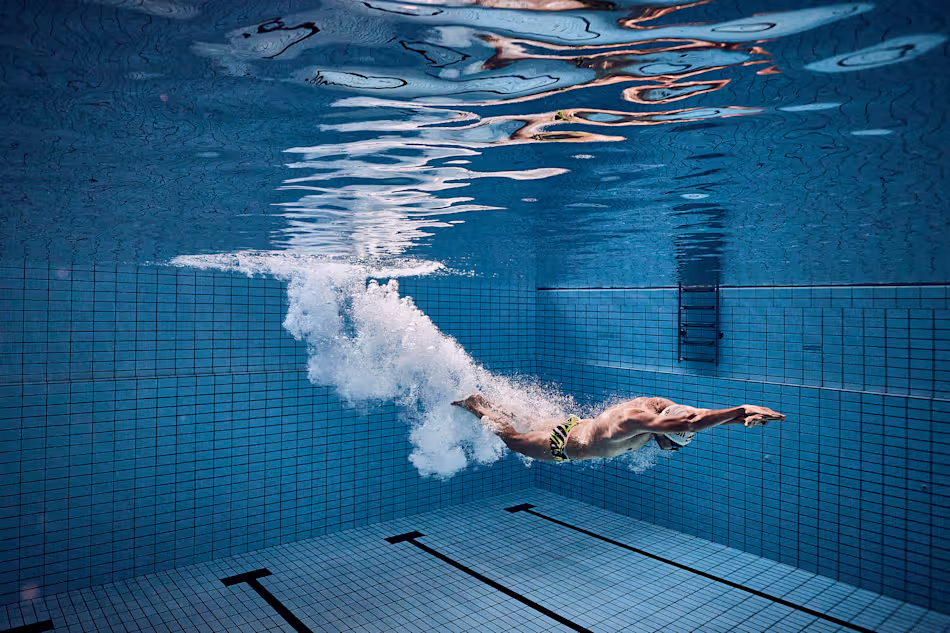
Staying fit doesn’t require expensive gym memberships or complicated workout routines. Your backyard can become the ultimate fitness sanctuary with a swimming pool. More Dallas homeowners are discovering that having a pool transforms their property into a personal wellness center. Additionally, swimming offers unique advantages that other exercises simply cannot match. Why Your Backyard Pool is the Perfect Fitness Solution The benefits of swimming exercise extend far beyond simple recreation. Swimming provides a complete workout that engages your entire body while remaining gentle on your joints. Furthermore, when you have a pool at home, you eliminate common excuses like gym commutes or crowded facilities. Your fitness journey becomes more convenient and enjoyable. Many Dallas residents face challenges maintaining consistent workout routines during scorching Texas summers. However, a backyard pool offers a refreshing solution. You can exercise comfortably while staying cool, making fitness sustainable year-round. Moreover, your pool becomes a valuable asset that serves multiple purposes for your household. The Comprehensive Advantages of Swimming Swimming stands out as one of the most effective forms of exercise available. Unlike running or weightlifting, swimming offers low-impact exercise swimming that protects your body from stress and strain. This makes it ideal for people of all ages and fitness levels. The cardiovascular benefits of swimming are remarkable. Regular swimming sessions strengthen your heart, improve circulation, and boost overall endurance. Your cardiovascular system becomes more efficient, reducing risks of heart disease and other chronic conditions. Consequently, many physicians recommend swimming as part of a healthy lifestyle. Additionally, swimming for weight loss delivers impressive results. A vigorous swimming session can burn between 400 to 700 calories per hour, depending on your intensity and body composition. The water’s resistance creates natural opposition that challenges your muscles while simultaneously burning fat. Therefore, swimming becomes an efficient tool for managing your weight. Building Strength and Flexibility Through Swimming When you engage in full body workout swimming, every major muscle group participates. Your arms pull through the water, your legs kick for propulsion, and your core stabilizes your body throughout each stroke. This comprehensive engagement means you’re building swimming for muscle strength with every lap. The beauty of swimming lies in its versatility. Different strokes target different muscle groups, allowing you to create varied workouts. Butterfly strokes emphasize your chest and shoulders, while breaststroke focuses on your legs and glutes. Meanwhile, backstroke strengthens your back muscles and improves posture. Swimming for flexibility naturally occurs as you extend your body through each stroke. The reaching, rotating, and stretching motions required for swimming improve your range of motion. Over time, you’ll notice increased flexibility in your shoulders, hips, and spine. This enhanced flexibility translates into better mobility in daily activities. Protecting Your Joints While Building Fitness One of the most significant swimming workout benefits involves swimming for joint health. The water’s buoyancy supports approximately 90% of your body weight, dramatically reducing stress on your joints. This makes swimming ideal for people recovering from injuries or managing conditions like arthritis. Unlike high-impact exercises that can wear down cartilage, swimming allows you to build strength without damaging your joints. The gentle resistance strengthens the muscles surrounding your joints, providing better support and stability. Consequently, many physical therapists incorporate swimming into rehabilitation programs. For Dallas residents concerned about long-term joint health, having a home pool provides consistent access to this protective form of exercise. You can maintain your fitness without accelerating joint deterioration that often comes with aging. Swimming for Fitness: A Sustainable Long-Term Solution The health benefits of swimming compound over time, making it an excellent long-term fitness strategy. Regular swimming improves lung capacity, enhances immune function, and promotes better sleep quality. These cumulative effects contribute to overall wellness and longevity. Furthermore, swimming offers mental health advantages alongside physical benefits. The rhythmic nature of swimming creates a meditative experience that reduces stress and anxiety. The release of endorphins during exercise improves mood and promotes mental clarity. Therefore, your pool becomes a sanctuary for both body and mind. Having a pool at home eliminates barriers to consistency. You can swim early mornings before work, during lunch breaks, or late evenings. This flexibility ensures you can maintain your routine regardless of schedule changes or weather conditions. Understanding Why Swimming is Good for You The swimming exercise advantages make it uniquely valuable compared to other fitness options. Swimming provides resistance training and cardiovascular conditioning simultaneously. You don’t need separate workouts for strength and endurance because swimming addresses both. Additionally, swimming suits all fitness levels. Beginners can start with gentle laps and gradually increase intensity. Advanced swimmers can challenge themselves with interval training, sprint sets, or distance goals. Your pool adapts to your evolving fitness journey. For families, a home pool encourages everyone to stay active together. Parents and children can share workout sessions, creating healthy habits that last a lifetime. This family-focused approach to fitness strengthens bonds while improving health. Making Your Pool a Fitness Investment At AquaVida Pools and Spas, we understand that Dallas homeowners want more than aesthetic appeal from their pools. They seek functional spaces that enhance their lifestyle and support their health goals. Our pools are designed with fitness enthusiasts in mind, offering optimal dimensions for lap swimming and exercise. When you invest in a quality pool, you’re investing in your long-term health and wellness. The convenience of home-based fitness removes obstacles that often derail gym memberships. You’ll find yourself exercising more frequently because your workout facility is just steps away. Moreover, a well-designed pool adds substantial value to your property. Beyond personal enjoyment and fitness benefits, your pool becomes an attractive feature for potential buyers should you ever decide to sell. Transform Your Dallas Home Into a Wellness Center Creating your personal fitness oasis starts with choosing the right pool partner. AquaVida Pools and Spas brings expertise in designing pools that meet both aesthetic and functional needs. We work with Dallas homeowners to create spaces that support active lifestyles while complementing their property’s design. Your backyard has untapped potential to become your

Stone Firepit

10 Backyard Fire Pit Design Ideas Your Guests Will Love

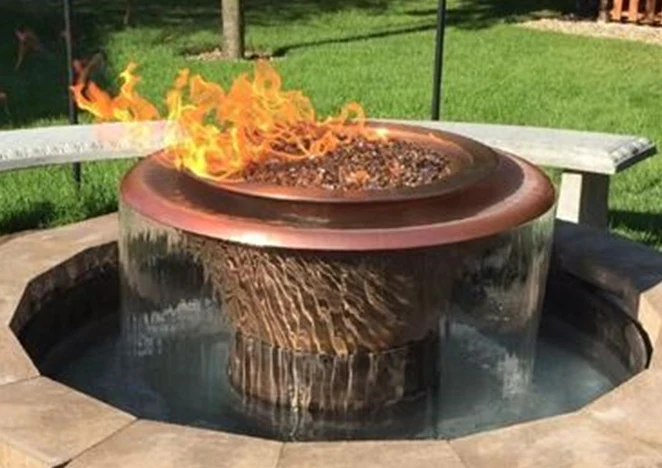
Fire pits transform ordinary backyards into enchanting gathering spaces where memories form and conversations flourish. Dallas homeowners increasingly recognize that strategic fire features create year-round outdoor entertainment areas. Moreover, the right design elevates your property’s aesthetic appeal while providing functional warmth during cooler evenings. Why Backyard Fire Pit Design Ideas Matter Creating an impressive fire pit involves more than simply placing a ring in your yard. Thoughtful design integrates your fire feature with existing landscaping, pool areas, and outdoor living spaces. Additionally, proper planning ensures safety, maximizes functionality, and creates visual impact that impresses every guest. The best backyard fire pit design ideas reflect your personal style while complementing your home’s architecture. Whether you prefer rustic charm, contemporary elegance, or something uniquely your own, countless design possibilities await exploration. Furthermore, fire pits add significant value to Dallas properties by extending outdoor living seasons and creating coveted entertainment spaces. 1. Sunken Conversation Pit with Built-In Seating Sunken fire pit designs create intimate gathering spaces that feel both cozy and dramatic. This approach involves excavating a circular or square area and surrounding the fire pit with built-in stone or concrete seating. Consequently, guests naturally face each other, encouraging conversation and connection. The sunken design provides wind protection, making fires burn more efficiently while keeping guests comfortable. Additionally, this configuration works beautifully near pools, creating distinct zones within your backyard. The fire pit landscaping ideas for sunken designs often include surrounding plantings that soften edges and enhance privacy. Built-in seating eliminates the need for movable furniture that weathers over time. Stone or concrete benches with cushions provide comfortable seating that withstands Dallas weather. Moreover, integrated lighting beneath seating areas adds ambiance while improving safety during evening gatherings. 2. Modern Linear Fire Feature Modern fire pit designs often feature sleek linear elements that create contemporary visual impact. Rectangular fire pits with clean lines complement modern architecture and minimalist landscaping. These designs typically use gas fuel for precise flame control and minimal maintenance requirements. Linear fire features work exceptionally well alongside pools or as boundary elements separating different outdoor zones. The horizontal flames create mesmerizing visual displays that captivate guests. Furthermore, many linear designs incorporate glass media or lava rocks for added visual interest. Steel, concrete, or stone construction creates durable structures that withstand years of use. The streamlined appearance integrates seamlessly with modern fire pit designs philosophy, where form and function merge beautifully. Additionally, linear features often include built-in seating walls that extend their functionality. 3. Rustic Stone Circle with Natural Boulders Traditional stone fire pits deliver timeless appeal that never goes out of style. Using natural boulders or stacked stone creates rustic charm perfect for Dallas homes with traditional or craftsman architecture. This approach celebrates natural materials and creates organic connections between your fire feature and landscape. Natural stone develops beautiful patina over time, gaining character with each use. The irregular shapes and textures of natural materials create visual interest that manufactured products cannot replicate. Moreover, stone absorbs and radiates heat, keeping guests warm even after flames diminish. Surrounding your stone fire pit with decomposed granite, gravel, or flagstone creates safe, attractive surfaces. Backyard fire features using natural stone often incorporate boulders as additional seating, reducing costs while maintaining aesthetic coherence. This design approach works particularly well in larger yards with established landscaping. 4. Poolside Fire and Water Combination Combining fire and water elements creates stunning visual contrasts that elevate luxury outdoor spaces. Fire bowls positioned near pool edges or integrated into pool designs provide dramatic focal points. The interplay between flickering flames and shimmering water mesmerizes guests while creating unforgettable ambiance. Patio fire pit ideas incorporating water features require careful planning to ensure safety and functionality. Professional installation ensures proper gas line placement and waterproofing. Additionally, coordinating materials between pool finishes and fire features creates cohesive design that appears intentional rather than added afterthought. Fire bowls on pedestals near pool decks offer flexibility while maintaining visual impact. These elevated features keep flames visible from various angles and heights. Furthermore, the combination of fire and water appeals to multiple senses, creating immersive outdoor experiences. 5. Built-In Fire Pit with Outdoor Kitchen Integrating your fire pit with outdoor kitchen spaces creates comprehensive entertainment zones. This design maximizes functionality by combining cooking, dining, and gathering areas into cohesive outdoor rooms. Moreover, shared materials and design elements tie spaces together visually. Built-in fire pits adjacent to outdoor kitchens extend entertaining seasons significantly. Guests gather around flames while hosts prepare meals, fostering interaction and connection. The proximity allows easy transition between cooking and relaxing spaces. Outdoor fire pit designs integrated with kitchens often share materials like stone, concrete, or brick. This consistency creates professional appearances that boost property values. Additionally, shared roof structures or pergolas can shelter both areas, enhancing usability during various weather conditions. 6. Portable Copper or Steel Bowl Not every fire pit requires permanent installation. Portable copper or steel fire bowls offer flexibility for renters or homeowners wanting moveable options. These pieces function as sculptural elements even when not burning, adding visual interest to patios and decks. High-quality copper bowls develop gorgeous patinas that enhance their beauty over time. Steel options with powder-coated finishes resist rust while providing contemporary aesthetics. Furthermore, portable designs allow you to relocate your fire feature for different occasions or seasons. Placing portable bowls on heat-resistant pads protects decking and patio surfaces. Backyard fire pit ideas using portable options work well for smaller yards or properties where permanent installations aren’t feasible. Additionally, these designs require no construction permits, simplifying the addition of fire features to your outdoor space. 7. Square Fire Pit with Corner Seating Square fire pits create geometric interest while offering practical seating arrangements. Corner bench configurations around square pits maximize seating capacity within compact footprints. This efficient design works perfectly for smaller Dallas backyards where space optimization matters. The angular design complements contemporary architecture and formal landscaping styles. Square pits often incorporate flat stone caps or ledges that double as drink surfaces or side tables. Consequently,

Uncategorized

Top Materials for Durable Inground Pools in Dallas

Choosing the right material for your pool represents one of the most critical decisions in your backyard transformation journey. Dallas homeowners face unique challenges with extreme heat, occasional freezing temperatures, and soil conditions that demand careful consideration. Understanding your material options ensures your investment delivers decades of enjoyment and value. Understanding Your Inground Pools in Dallas Material Options The inground pools Dallas market offers three primary material choices: concrete, fiberglass, and vinyl liner. Each material brings distinct advantages and considerations that affect longevity, maintenance, aesthetics, and overall performance. Furthermore, Dallas’s climate plays a significant role in determining which material best suits your property and lifestyle. Selecting the appropriate material impacts everything from initial installation costs to long-term maintenance expenses. Therefore, educated homeowners research thoroughly before making this important decision. Your choice will shape your backyard experience for years to come. Concrete: The Premium Choice for Custom Inground Pools Dallas Concrete pools, also known as gunite or shotcrete pools, dominate the luxury inground pools Dallas market for good reason. This material offers unparalleled flexibility in design, allowing you to create virtually any shape, size, or depth imaginable. Additionally, concrete handles Dallas’s temperature fluctuations exceptionally well when properly constructed. Concrete inground pools Dallas installations begin with steel reinforcement frameworks that get sprayed with concrete mixture. This construction method creates incredibly strong structures that resist ground movement and settling. Moreover, concrete pools can incorporate custom features like beach entries, swim-up bars, and integrated spas seamlessly. The durability of concrete makes it ideal for Dallas’s harsh conditions. Properly maintained concrete pools regularly last 50 years or more, making them genuine long-term investments. Your pool becomes a permanent fixture that can be renovated and updated as design trends evolve. However, concrete requires more maintenance than other materials. The porous surface needs regular brushing to prevent algae growth, and the plaster finish typically requires resurfacing every 10-15 years. Despite these requirements, many homeowners consider concrete the gold standard for residential pools in Dallas. Fiberglass: The Low-Maintenance Solution Fiberglass pools Dallas installations have surged in popularity among homeowners seeking minimal maintenance obligations. These pools arrive as single-piece molded shells manufactured in controlled factory environments. Consequently, installation occurs much faster than concrete alternatives, often completing within weeks rather than months. The smooth, non-porous gelcoat surface of fiberglass resists algae growth naturally. This characteristic dramatically reduces chemical usage and cleaning time compared to concrete pools. Therefore, fiberglass appeals to busy Dallas families who want more swimming time and less maintenance work. Fiberglass handles temperature variations well, with some flexibility that accommodates ground movement without cracking. The material also insulates better than concrete, potentially reducing heating costs during cooler months. These practical advantages make fiberglass an increasingly popular choice for backyard pools Dallas projects. The primary limitation involves design flexibility. Fiberglass pools come in predetermined shapes and sizes from manufacturer catalogs. While modern options include numerous attractive designs, you cannot achieve the complete customization possible with concrete. Additionally, width restrictions exist because shells must transport on trucks to your property. Despite these constraints, fiberglass offers excellent value for homeowners prioritizing convenience and lower lifetime costs. The initial investment often costs less than comparable concrete pools, and reduced maintenance expenses accumulate significant savings over decades of ownership. Vinyl Liner: The Budget-Friendly Option Vinyl liner pools Dallas installations represent the most economical entry point for homeowners wanting inground pools in Dallas. These pools feature walls constructed from steel, aluminum, or polymer panels with vinyl liners creating the waterproof barrier. This construction method significantly reduces initial costs compared to concrete or fiberglass alternatives. Vinyl liners offer extensive aesthetic options with patterns ranging from simple blue to elaborate tile or mosaic designs. Manufacturers regularly introduce new patterns, allowing you to update your pool’s appearance when replacing liners. This flexibility appeals to homeowners who enjoy refreshing their backyard aesthetics periodically. The smooth vinyl surface feels comfortable underfoot and requires minimal brushing for maintenance. However, vinyl proves more vulnerable to punctures and tears than other materials. Sharp objects, pet claws, and even aggressive cleaning can damage the liner, necessitating repairs or replacement. Dallas’s climate presents specific challenges for vinyl pools. Extreme heat accelerates liner deterioration, and temperature fluctuations can cause expansion and contraction that stresses seams. Therefore, vinyl liners in Dallas typically require replacement every 7-10 years, creating ongoing expenses that accumulate over time. For budget-conscious homeowners, vinyl provides a pathway to pool ownership that might otherwise remain unaffordable. However, understanding the long-term replacement costs helps set realistic expectations about total ownership expenses. Climate Considerations for Dallas Pool Materials Dallas experiences temperature extremes that test pool materials rigorously. Summer temperatures regularly exceed 100°F, while occasional winter freezes challenge pool structures. Additionally, the expansive clay soils common throughout Dallas shift with moisture changes, creating ground movement that pools must withstand. Pool installation Dallas professionals understand these local challenges and adjust construction techniques accordingly. Proper soil preparation, adequate drainage, and appropriate materials selection ensure your pool survives Dallas’s demanding conditions. Working with experienced swimming pool contractors Dallas who understand regional requirements proves essential. Concrete pools excel in Dallas’s climate when properly constructed with adequate steel reinforcement and expansion joints. The material’s strength resists ground movement, and proper chemical balance protects against surface deterioration from intense sun exposure. Regular maintenance preserves concrete pools through decades of Dallas summers. Fiberglass pools’ flexibility allows them to accommodate minor ground shifts without cracking. The factory-controlled manufacturing ensures consistent quality unaffected by weather during construction. However, ensuring proper backfilling during installation prevents future settling problems. Vinyl liner pools require vigilant maintenance in Dallas’s heat. UV exposure degrades vinyl over time, and extreme temperatures accelerate this process. Maintaining proper water chemistry and using UV-resistant liners extends service life significantly. Choosing Materials for Modern Backyard Pool Designs Contemporary modern backyard pool designs emphasize clean lines, geometric shapes, and integrated outdoor living spaces. Material selection influences which design elements become feasible for your project. Therefore, aligning your aesthetic vision with material capabilities ensures satisfaction with the final result. Concrete’s versatility makes it ideal for cutting-edge

Pool Remodeling

Everything You Should Know About Robotic Pool Cleaners

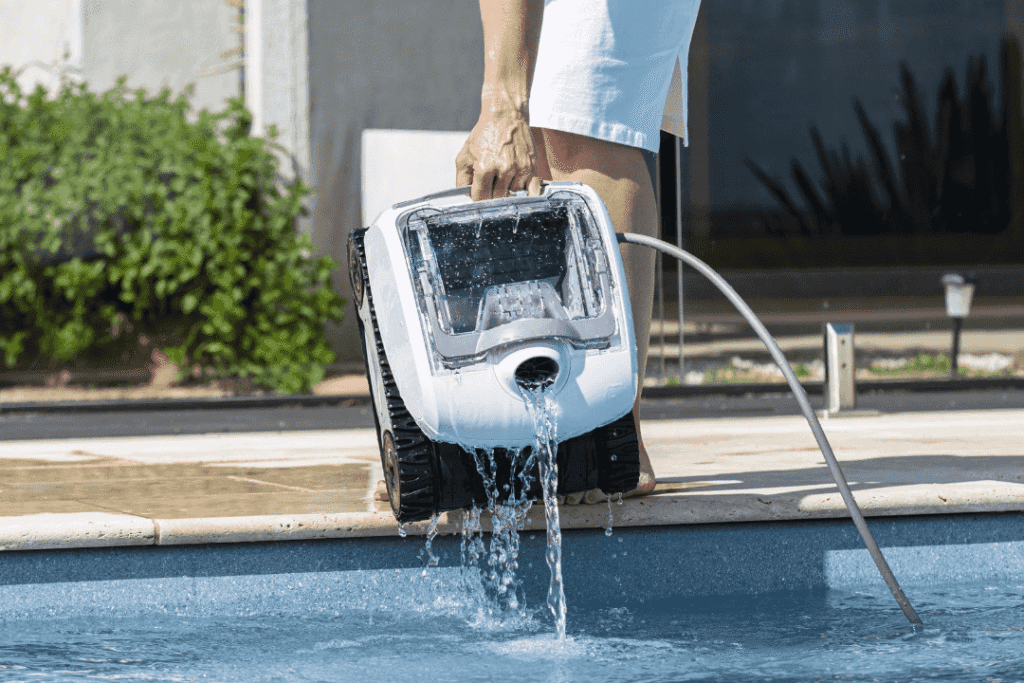
Pool maintenance demands significant time and effort from Dallas homeowners who want crystal-clear water year-round. Traditional manual cleaning methods require physical labor and consume hours each week. Fortunately, technological advancements have revolutionized pool care, making it easier than ever to maintain pristine swimming conditions with minimal effort. Understanding the Best Robotic Pool Cleaners Robotic pool cleaners represent the pinnacle of pool cleaning automation technology. These intelligent devices navigate your pool independently, scrubbing surfaces, filtering debris, and delivering professional-grade cleaning results. Moreover, modern units incorporate sophisticated sensors and programming that optimize cleaning patterns for maximum efficiency. Unlike traditional cleaning methods that rely on your pool’s filtration system, robotic pool vacuum units operate independently. They contain self-contained filtration systems that capture debris without straining your pool’s equipment. Consequently, robotic cleaners reduce wear on pool pumps and filters while delivering superior cleaning performance. The best robotic pool cleaners combine powerful scrubbing capabilities with intelligent navigation systems. They climb walls, clean steps, and reach tight corners that manual cleaning often misses. Additionally, these units filter particles as small as two microns, removing even microscopic contaminants that cloud water clarity. How Automatic Pool Cleaners Transform Maintenance Automatic pool cleaners revolutionize the pool ownership experience by eliminating tedious manual scrubbing. Simply place your robotic cleaner in the pool, press start, and watch it methodically clean every surface. This hands-off approach frees you to enjoy your pool rather than constantly maintaining it. Modern pool cleaning robots feature advanced algorithms that map your pool’s dimensions and optimize cleaning routes. They avoid obstacles, prevent tangling, and ensure complete coverage without missing spots. Furthermore, these intelligent systems learn your pool’s layout, becoming more efficient with each cleaning cycle. The convenience factor cannot be overstated. Dallas homeowners with busy schedules appreciate setting cleaning cycles and forgetting about maintenance worries. Many models offer programmable schedules that run automatically, ensuring your pool stays pristine without any intervention. Therefore, you always return to a sparkling clean pool ready for swimming. Technology Behind Advanced Pool Cleaning Technology Advanced pool cleaning technology incorporates multiple innovations that deliver exceptional results. Gyroscopic sensors help robots maintain orientation while climbing walls and navigating slopes. Smart navigation systems calculate the most efficient cleaning paths, reducing cycle times while improving coverage. Powerful motors drive scrubbing brushes that dislodge algae, dirt, and stubborn stains from pool surfaces. Different brush types suit various pool finishes, from delicate vinyl liners to durable concrete. Additionally, multiple filtration options capture everything from large leaves to fine sediment. Electric pool cleaners utilize low-voltage systems that operate safely in water environments. Most units run on standard household current, drawing minimal power compared to running your pool pump for extended periods. This electrical efficiency translates into significant energy savings over time. Sophisticated smart pool cleaners now offer smartphone connectivity, allowing you to control and monitor cleaning from anywhere. You can start cycles remotely, adjust settings, and receive maintenance alerts through dedicated mobile applications. Moreover, some models integrate with smart home systems, enabling voice control through popular platforms. Benefits of Energy-Efficient Pool Cleaners Energy-efficient pool cleaners deliver substantial cost savings compared to traditional cleaning methods. Running your pool pump for hours to power suction cleaners or pressure-side models consumes significant electricity. Robotic cleaners operate independently, using fraction of the energy while delivering superior results. Most robotic units consume between 100-200 watts during operation, comparable to running a computer. Traditional pump-dependent cleaners require running your pool pump at high speeds, often consuming 1,500-2,500 watts. Therefore, switching to robotic cleaning can reduce pool-related energy costs dramatically. Dallas’s hot climate demands frequent pool cleaning, making energy efficiency particularly valuable. Running your robotic cleaner for two hours every other day costs significantly less than operating your main pump for extended periods. Additionally, reduced pump usage extends equipment lifespan, avoiding costly replacements. The environmental benefits extend beyond energy savings. Self-cleaning pool systems using robotic technology reduce chemical usage by maintaining consistent cleanliness. Cleaner pools require fewer shock treatments and algaecides, decreasing chemical exposure for swimmers and environmental impact. Choosing the Right Programmable Pool Vacuum Selecting among various programmable pool vacuum options requires understanding your specific needs. Pool size, shape, and surface type influence which models perform best. Additionally, your budget and desired features determine which robotic cleaner offers optimal value. Entry-level models provide excellent cleaning for flat-bottom pools with simple shapes. These units typically clean floors thoroughly but may have limited wall-climbing capabilities. They represent cost-effective solutions for homeowners prioritizing floor cleaning and basic maintenance. Mid-range robotic pool cleaners offer enhanced wall-climbing abilities and improved filtration systems. These models handle most residential pools effectively, including those with slopes and varied depths. Furthermore, they often include multiple cleaning modes and programmable cycles for customized maintenance. Premium units deliver comprehensive cleaning including waterline scrubbing, superior wall-climbing, and advanced navigation. These top-tier automatic pool cleaners feature the latest advanced pool cleaning technology, offering smartphone connectivity, swivel cables that prevent tangling, and superior debris capacity. They represent ideal choices for large pools, complex shapes, or homeowners demanding the absolute best performance. Features That Define the Best Robotic Pool Cleaners Wall-climbing capability separates superior robotic cleaners from basic models. The best robotic pool cleaners climb vertical surfaces effortlessly, scrubbing walls and tile lines where algae frequently accumulates. This comprehensive cleaning maintains pristine conditions throughout your entire pool. Filter capacity determines how much debris a unit collects before requiring emptying. Larger filters mean fewer interruptions and greater convenience, especially during heavy debris seasons. Additionally, easy-access filter systems simplify maintenance, encouraging regular cleaning that maintains optimal performance. Cable length and swivel technology prevent tangling that interrupts cleaning cycles. Premium pool cleaning robots feature tangle-free swivel cables that twist and turn without creating knots. This reliability ensures uninterrupted operation throughout complete cleaning cycles. Cleaning cycle duration varies by model and pool size. Efficient units complete thorough cleaning in 90 minutes to three hours. Smart pool cleaners optimize cycle times based on pool conditions, running longer when heavy debris requires extra attention and shorter when maintenance cleaning suffices. Brush types significantly impact cleaning

fiberglass pool installation timeline
Pool Installation

Fiberglass Pool Installation Timeline: What to Expect Start to Finish

Planning your dream backyard oasis starts with understanding exactly what to expect during the installation process. When choosing fiberglass pool installation, Dallas homeowners appreciate knowing precisely how long the project takes from initial consultation to that first refreshing swim. Therefore, we’ve created this comprehensive guide explaining every phase of the fiberglass pool installation timeline so you can plan accordingly and set realistic expectations. Unlike traditional concrete pools that can take months to complete, fiberglass swimming pool installation offers remarkably faster completion times. Consequently, many homeowners select fiberglass specifically because they want to enjoy their pool sooner rather than later. Moreover, the streamlined fiberglass pool installation process minimizes disruption to your daily life and landscaping while delivering exceptional results. Understanding How Fiberglass Pools Are Installed Before diving into specific timelines, let’s explore how fiberglass pools are installed from start to finish. The process differs significantly from concrete or vinyl pool installation because the pool shell arrives at your property already manufactured to your specifications. This pre-fabricated approach dramatically reduces on-site construction time while ensuring superior quality control. The install fiberglass pool procedure involves several distinct phases, each requiring specific timeframes based on site conditions, weather, and project complexity. Additionally, working with experienced fiberglass pool installers like AquaVida Pools and Spas ensures efficient progression through each stage without unnecessary delays. Week 1-2: Design Consultation and Permitting Your fiberglass pool installation journey begins with comprehensive design consultation. During this phase, our team evaluates your property, discusses your vision, reviews pool model options, and addresses budget considerations. We handle all permit applications required by Dallas and surrounding municipalities, ensuring compliance with local regulations. The fiberglass pool setup planning stage includes property assessment and soil testing, pool model selection and customization, equipment specification, permit application submission, utility line location, and final contract signing. This planning phase typically requires one to two weeks depending on permit approval timelines. However, some jurisdictions process permits faster, potentially accelerating your overall fiberglass pool installation timeline. Week 3: Excavation and Pool Shell Placement Once permits are approved, physical work begins with excavation. Fiberglass pool installation steps start with precisely excavating your pool area according to manufacturer specifications. Professional fiberglass pool contractors near me use advanced equipment ensuring accurate dimensions and proper depth. Most residential fiberglass swimming pool installation projects complete excavation within one to three days, weather permitting. The most exciting phase arrives when your custom fiberglass pool shell is delivered. This specialized process requires careful coordination and experienced fiberglass pool installers who understand proper handling techniques. How fiberglass pools are installed into the excavation demands extreme precision, with crane services carefully lowering the shell into place. Even slight misalignment can cause long-term issues, which is why choosing experienced best fiberglass pool installers proves absolutely critical. This phase typically completes in one to two days. Dallas’s generally favorable climate allows year-round installation, though summer heat and occasional heavy rains can affect scheduling. The excavation site is prepared with proper grading, compacting, and gravel base installation to ensure long-term stability. Week 4: Plumbing, Electrical, and Backfilling With your pool shell positioned perfectly, the fiberglass pool installation process continues with comprehensive plumbing and electrical work. Licensed professionals install all necessary equipment including pumps, filters, sanitization systems, and heaters if included. Additionally, electrical lines are run to equipment and lighting, while all plumbing fixtures and returns are connected properly. These critical fiberglass pool installation steps require three to five days depending on equipment complexity and site conditions. Simultaneously, backfill material is carefully placed and compacted around the pool shell to secure it permanently. Municipal inspections may occur during this phase, which can extend timelines slightly if scheduling conflicts arise. Week 5: Decking and Finishing Work The final construction phase involves installing your pool deck and completing finishing touches. Your choice of decking material significantly impacts this timeline portion. Concrete decking typically requires five to seven days including curing time, while pavers need three to five days for installation. Natural stone takes four to six days depending on complexity, and composite materials usually require two to four days. Finishing work also encompasses coping installation, landscaping integration, fence installation if required, and final equipment startup. The custom fiberglass pool installation approach allows personalization of these finishing elements to match your aesthetic preferences and budget. Week 6: Final Inspection and Pool Startup The fiberglass pool installation timeline concludes with final inspections and professional pool startup. Our technicians thoroughly test all systems, balance water chemistry, and provide comprehensive operation training. Municipal final inspection approval is obtained, water is filled and initially treated with chemicals, equipment is tested and adjusted, and owners receive education on maintenance procedures. This concluding phase typically requires two to three days, after which you’re ready to enjoy your new pool. Total Timeline: 4-6 Weeks Most fiberglass swimming pool installation projects complete within four to six weeks from permit approval to final inspection. This timeline assumes normal weather conditions, standard site accessibility, and no unusual complications. Consequently, how long does fiberglass pool installation take depends on several variables specific to your project including site complexity, permit processing speed, weather conditions, custom features, and equipment availability. Working with experienced local fiberglass pool installers who understand Dallas-area requirements helps maintain efficient scheduling throughout your project. Straightforward installations with ideal conditions sometimes complete faster than the average timeframe. Fiberglass Pool Installation Cost Understanding fiberglass pool installation cost helps you budget appropriately for your project. The cost to install fiberglass pool varies based on pool size, site conditions, selected features, and finishing options. Average fiberglass pool installation pricing in Dallas typically ranges from $45,000 to $120,000 depending on complexity and customization. The fiberglass pool price installed includes the pool shell, equipment, installation labor, basic decking, and startup services. However, premium features like waterfalls, advanced lighting, automation systems, or extensive landscaping increase overall investment. Many homeowners appreciate that affordable fiberglass pool installation costs less than comparable concrete pools while offering superior durability and lower lifetime maintenance expenses. Additionally, turnkey fiberglass pool installation packages provide comprehensive pricing transparency from

pool algea treatment
Pool Remodeling

Pool Algae Treatment and Prevention Steps

Discovering algae in your swimming pool can turn a perfect summer day into a frustrating maintenance challenge. However, understanding effective pool algae treatment methods empowers Dallas homeowners to tackle this common problem confidently and restore their pool’s sparkle quickly. Therefore, we’ve created this comprehensive pool algae treatment guide covering everything from immediate intervention strategies to long-term prevention techniques that keep your water crystal clear all season. Swimming pool algae doesn’t have to feel overwhelming or require expensive professional services for every outbreak. Moreover, learning proper algae treatment for pool maintenance helps you identify problems early when they’re easiest to resolve. Additionally, implementing consistent prevention strategies dramatically reduces algae frequency, saving time, money, and frustration throughout swimming season. Understanding Different Algae Types Before exploring pool algae prevention steps, recognizing the specific algae type affecting your pool ensures you select the most effective approach. Each variety requires slightly different treatment intensities, though fundamental principles remain consistent across all types. Green algae represents the most common pool invader throughout Dallas. This free-floating algae clouds water rapidly when chlorine levels drop or circulation systems underperform. Fortunately, green algae pool treatment proves relatively straightforward with proper chemical application and thorough brushing. Most green algae responds quickly to aggressive treatment protocols. Black algae presents significantly greater challenges due to its protective outer coating and deep root structures that penetrate pool surfaces. Black algae pool treatment demands patience and persistence, often requiring multiple treatment rounds and intensive scrubbing to eliminate completely. This stubborn variety resists standard treatment approaches that work perfectly for green algae. Yellow algae, also called mustard algae, appears less frequently but spreads aggressively once established. Yellow algae pool treatment involves similar chemicals to green algae protocols but typically requires higher concentrations and more vigorous brushing. Mustard algae pool treatment focuses particularly on shaded areas and pool floors where this variety thrives. Best Pool Algae Treatment Methods Shock Treatment: The Foundation The best algae treatment starts with shocking your water using concentrated chlorine. This chlorine pool algae treatment raises sanitizer levels dramatically, overwhelming algae cells and destroying them rapidly. Pool shock algae treatment involves adding three to four times your pool’s normal chlorine amount, creating conditions where algae simply cannot survive. This powerful swimming pool treatment works by oxidizing organic matter, breaking down algae cell walls, and effectively sterilizing contaminated water. Many Dallas pool owners prefer liquid chlorine for algae due to its convenient application and rapid dissolution, though granular calcium hypochlorite offers excellent cost-effectiveness for larger treatments. Timing matters significantly in effective pool treatment. Shock your pool during evening hours when sunlight won’t degrade chlorine effectiveness. Additionally, running your circulation system continuously during treatment ensures chemicals distribute evenly throughout your entire pool volume, reaching every affected corner and crevice. Algaecide Application While shock provides primary killing power, algaecide for pool algae offers valuable supplemental support in eliminating stubborn colonies and preventing future outbreaks. Quality algaecides attack algae’s cellular structure from different angles than chlorine, providing comprehensive algae treatment for pool situations when used together properly. However, algaecide should supplement rather than replace proper chlorination and filtration. Understanding how to treat pool algae effectively requires recognizing that algaecide alone rarely succeeds without adequate chlorine levels and thorough physical brushing working synergistically. Physical Removal Through Brushing Effective pool algae removal demands vigorous brushing to dislodge algae from pool surfaces. This critical physical component breaks algae’s grip on walls, floors, and steps, allowing chemicals to penetrate protective layers and reach living cells beneath. Thorough brushing represents an essential step in how to get rid of algae in pool water quickly. Focus brushing efforts on areas showing visible algae growth, particularly steps, corners, behind ladders, and shaded regions where colonies establish most readily. Additionally, brushing stirs dormant algae into your water where circulation systems filter it out and chemicals destroy it effectively. Pool Algae Treatment Steps for Success Following proper pool algae treatment steps ensures thorough elimination without wasting chemicals or effort. Start by testing and balancing your water chemistry, particularly pH levels which should fall between 7.2 and 7.6 for optimal chlorine effectiveness. Next, brush all pool surfaces vigorously to dislodge algae and expose it to chemical treatment. Then shock your pool according to algae severity—light infestations need double shocking, moderate cases require triple shocking, and heavy blooms demand quadruple normal shock amounts. Run your circulation system continuously, maintaining it until water clears completely. Additionally, brush surfaces every few hours during active treatment to prevent algae from re-establishing. Clean or backwash your filter frequently during treatment as dead algae accumulates rapidly and reduces filtration efficiency. Finally, test water chemistry daily throughout treatment, adjusting chlorine and pH as needed to maintain optimal conditions for algae destruction. Alternative and Natural Treatment Options Many Dallas homeowners explore natural pool algae treatment alternatives to traditional chemicals. While professional products deliver the most reliable results, understanding these options helps you make informed decisions about algae treatment at home approaches. Baking soda pool algae treatment doesn’t directly kill algae but helps balance pH and alkalinity, creating conditions less favorable for algae growth. However, relying solely on baking soda cannot eliminate active infestations and works better as a preventive measure supporting proper chemistry. Vinegar algae treatment generates interest as an eco-friendly option. While vinegar’s acidity can slow algae growth slightly, it simultaneously lowers pH dramatically and requires impractical quantities for pool-sized volumes. Therefore, vinegar proves ineffective for serious swimming pool algae treatment needs. Eco-friendly pool products exist that use biodegradable ingredients and gentler chemicals. These alternatives work more slowly than traditional shock treatments but offer options for environmentally conscious pool owners willing to invest extra time in algae treatment for pool situations. Non-chlorine pool algae treatment using alternatives like hydrogen peroxide or potassium monopersulfate provides options for chlorine-sensitive individuals. However, these approaches typically require more frequent applications and careful monitoring compared to traditional chlorine pool algae treatment protocols. Preventing Pool Algae Growth The most effective pool treatment is prevention. Understanding how to get rid of algae in pool environments before visible infestations develop saves significant

Pool Remodeling

Which Pool Safety Cover is Right For Your Pool?

Protecting your swimming pool investment requires more than just regular maintenance. Therefore, choosing the right pool safety cover becomes essential for Dallas homeowners who want to safeguard their families, reduce maintenance costs, and extend their pool’s lifespan. Consequently, understanding your options helps you make an informed decision that fits your specific needs and budget. What is a Pool Safety Cover? A swimming pool safety cover is specifically designed to prevent accidental drowning while keeping debris out of your pool. Unlike standard pool covers, these covers must meet strict ASTM safety standards. Additionally, they’re engineered to support significant weight, making them a critical safety feature for families with children and pets. Moreover, many Dallas pool owners wonder are pool covers worth it. The answer is a resounding yes. These covers provide peace of mind while significantly reducing water evaporation—a crucial benefit in Texas’s hot climate. How Does a Pool Safety Cover Work? Understanding how does a pool safety cover work helps you appreciate its value. These covers attach to your pool deck using anchored straps or an automatic track system. Furthermore, they create a barrier strong enough to hold adults, children, and pets safely above the water. The ASTM approved pool cover designation means the product has undergone rigorous testing. Similarly, these covers must support at least 485 pounds across two square feet, ensuring maximum protection for your loved ones. Types of Pool Safety Covers Available Mesh Pool Safety Cover A mesh pool cover offers excellent drainage while blocking debris. Water passes through the tightly woven material, preventing standing water accumulation. Additionally, these covers are lightweight and easier to handle during installation and removal. Benefits of pool safety covers made from mesh include: Superior drainage eliminates pump requirements Lightweight design simplifies handling Long-lasting durability withstands harsh Dallas weather Lower maintenance requirements Cost-effective option for budget-conscious homeowners Solid Pool Safety Cover Conversely, a solid pool cover blocks both debris and sunlight completely. These covers require a pump to remove standing water. However, they provide superior protection against algae growth during winter months. These durable swimming pool covers offer: Complete light blockage prevents algae formation Keeps pool water cleaner during off-season Provides better insulation for heated pools Ideal for homeowners prioritizing pristine water quality Automatic Pool Cover An automatic pool safety cover represents the ultimate convenience. With the push of a button, these covers deploy or retract completely. Subsequently, they’re perfect for Dallas families who use their pools year-round and want effortless protection. Furthermore, these systems provide: Immediate safety at your fingertips Daily use practicality Enhanced security features Professional pool cover installation required Manual Pool Safety Cover A manual pool cover requires physical effort to deploy and remove. Nevertheless, they’re reliable, affordable, and effective. These covers work excellently for seasonal coverage when you close your pool for extended periods. Choosing Between Inground and Above Ground Options Your pool type determines your cover selection. An inground pool cover anchors directly into your deck using brass anchors. Meanwhile, an above ground pool safety cover utilizes different attachment methods suited to your pool’s structure. Both options provide excellent pool cover safety, so your choice depends primarily on your pool configuration. Additionally, custom pool safety covers ensure perfect fitting regardless of your pool’s shape or size. Safety Features That Matter Most When selecting a child-safe pool cover, prioritize these features: Firstly, ensure ASTM certification guarantees proper safety standards. Secondly, verify the cover supports adequate weight for your family’s needs. Thirdly, check for UV resistance to withstand Dallas’s intense sunlight. Finally, confirm the warranty covers both materials and workmanship. Similarly, a pet-safe pool cover should include these same features. Your furry family members deserve equal protection from accidental pool entry. Investment Considerations Understanding pool safety cover cost helps budget appropriately. Generally, prices vary based on type, size, and features. A mesh pool safety cover typically costs less than solid options. Meanwhile, an automatic pool safety cover represents a premium investment. However, affordable pool safety covers don’t mean compromising safety. Many pool cover suppliers offer financing options. Therefore, protecting your family becomes accessible regardless of budget constraints. When you buy pool cover products, consider long-term value rather than just upfront costs. A heavy-duty pool safety cover might cost more initially but lasts significantly longer, ultimately saving money. Finding the Best Pool Safety Cover Determining the best pool safety cover for your situation requires evaluating several factors. Consider your Dallas climate, usage patterns, aesthetic preferences, and budget. Additionally, consult with professional pool safety cover installers near me who understand local requirements. Pool safety cover near me searches connect you with local experts. AquaVida Pools and Spas provides comprehensive consultation services throughout Dallas, TX. Our team helps you navigate options and select the perfect solution. Professional Installation and Maintenance Proper pool safety cover installation ensures optimal performance and longevity. While some homeowners attempt DIY installation, professional pool safety cover installation service guarantees correct anchor placement, proper tension, and full safety compliance. Moreover, regular pool safety cover maintenance extends your cover’s lifespan. This includes periodic cleaning, checking hardware integrity, and ensuring proper storage during non-use periods. Consequently, partnering with experienced professionals maximizes your investment protection. Making Your Decision Selecting the right safety pool cover involves balancing safety, convenience, aesthetics, and budget. Start by assessing your primary concerns. Are you most worried about safety, maintenance reduction, or energy efficiency? Your priorities guide your selection. Next, measure your pool accurately or schedule a professional assessment. Then, request quotes from reputable suppliers. Finally, verify installation services and warranty coverage before making your purchase. Conclusion Protecting your Dallas pool with the right pool safety cover provides invaluable peace of mind. Whether you choose mesh, solid, automatic, or manual options, you’re making a smart investment in your family’s safety and your pool’s longevity. AquaVida Pools and Spas stands ready to help you select, install, and maintain the perfect cover for your specific needs. Don’t wait until tragedy strikes or your pool becomes a maintenance nightmare. Contact AquaVida Pools and Spas today to explore your pool safety

decorations for pool
Pool Remodeling

7 Ways to Decorate Your Pool Area for the Holidays

The holiday season brings joy, celebration, and endless opportunities to showcase your creativity. While most homeowners focus on decorating their interiors, your pool area offers a spectacular canvas for festive displays that will amaze guests and neighbors alike. Therefore, learning how to incorporate decorations for pool spaces transforms your backyard into a magical holiday wonderland that extends your celebration beyond the traditional indoor setting. Dallas’s mild winter climate makes outdoor entertaining possible throughout the holiday season. Consequently, your swimming pool decorations can serve as the centerpiece for memorable gatherings, creating an enchanting atmosphere that combines festive cheer with your pool’s natural beauty. Moreover, thoughtful pool decor enhances your property’s curb appeal and spreads holiday spirit throughout your entire neighborhood. 1. Illuminate Your Pool with Spectacular LED Pool Lights Nothing creates holiday magic quite like strategically placed LED pool lights. These versatile pool lights decorations transform your water into a glowing spectacle that captivates everyone who sees it. Modern LED technology allows you to change colors instantly, creating different moods for various holiday occasions. Poolside lighting decor options include: Color-changing underwater LED fixtures that shift between festive reds, greens, and golds Floating LED orbs that drift gracefully across your pool surface Programmable light shows synchronized to holiday music Perimeter lighting along your pool deck highlighting walkways and safety features Additionally, pool area decorations incorporating lights serve dual purposes—they enhance safety during evening gatherings while creating stunning visual effects. String lights draped along fences, wrapped around nearby trees, or suspended above the pool create a warm, inviting ambiance perfect for holiday celebrations. For Christmas specifically, Christmas pool decorations featuring red and green LED lights bring traditional holiday colors to your aquatic space. Furthermore, white lights create an elegant, sophisticated atmosphere resembling a winter wonderland—even in Dallas’s temperate climate. 2. Add Festive Floating Pool Decorations Floating pool decorations offer endless creative possibilities for holiday-themed displays. These eye-catching inflatable pool decorations float gracefully across your water surface, creating dynamic visual interest that changes with every breeze. Popular pool floats for holiday decorating include: Giant inflatable Santa figures or reindeer Snowman pool floats bringing winter charm to Texas Holiday-themed swans or flamingos wearing festive accessories Floating Christmas trees or menorahs for religious celebrations Light-up floating snowflakes or stars These themed pool party decorations work beautifully for both casual family gatherings and elaborate holiday soirées. Moreover, they’re incredibly versatile—simply swap them out between holidays to keep your display fresh and relevant throughout the season. DIY pool decorations enthusiasts can personalize standard pool floats with waterproof ribbons, battery-operated lights, or weather-resistant ornaments. This approach creates unique pool decoration ideas while staying within budget pool decorations constraints. 3. Create a Stunning Poolside Display Area Your pool deck provides the perfect foundation for elaborate holiday displays. Poolside decor ideas should complement your pool’s aesthetics while incorporating traditional holiday elements that reflect your personal style. Transform your patio and pool decor with these strategies: First, establish a focal point near your pool entrance using a decorated tree, oversized ornaments, or a festive sculpture. Second, arrange weather-resistant furniture with holiday-themed cushions and throws for comfortable seating. Third, incorporate natural elements like poinsettias, evergreen garlands, or holly arrangements in weatherproof containers. Backyard pool decorations should create cohesive flow between your pool and surrounding landscape. Therefore, extend your decorative theme throughout the entire area rather than isolating displays to one section. This comprehensive approach to pool landscaping decor ensures your holiday design feels intentional and professionally executed. For 4th of July pool decorations, substitute traditional Christmas colors with patriotic red, white, and blue themes. Similarly, Halloween pool decorations might feature floating pumpkins, orange LED lights, and spooky silhouettes around the perimeter. 4. Enhance Your Pool with Water Features and Fountains Pool water features add dynamic movement and soothing sounds to your holiday celebrations. Pool fountains decorations become even more spectacular when illuminated with colored lights and surrounded by seasonal elements. If you already have fountains installed, enhance them with: Waterproof LED uplighting in holiday colors Floating candles or waterproof lanterns nearby Garlands draped carefully around fountain structures Weatherproof ornaments suspended from fountain features For pools without permanent water features, consider temporary options like floating fountains with built-in LED lights. These portable additions create impressive displays without requiring permanent installation. Additionally, they’re perfect for homeowners who want flexibility in their pool party decorations arrangements throughout different seasons. Water features also provide excellent backgrounds for photography during holiday gatherings. Consequently, they enhance your celebration’s memorability while adding sophisticated elegance to your overall swimming pool decorations scheme. 5. Design Themed Pool Party Decorations Whether you’re planning birthday pool decorations or poolside party decorations for holiday gatherings, cohesive theming creates unforgettable experiences. Themed pool party decorations work best when every element coordinates to tell a unified story. Creative pool decor ideas for holiday parties include: Winter Wonderland Theme: Use white and silver pool decorations featuring snowflakes, icicle lights, and faux snow around the deck. Add white pool floats and silver balloons for cohesive elegance. Tropical Christmas: Combine traditional holiday elements with tropical aesthetics using flamingo floats wearing Santa hats, palm trees with lights, and tropical flowers in red and green. Elegant Evening Affair: Focus on sophisticated poolside lighting decor with white candles, string lights, and understated decorations for refined holiday entertaining. Family Fun Festival: Incorporate playful inflatable pool decorations, colorful lights, and interactive elements that children and adults alike enjoy. Additionally, coordinate your pool area decorations with indoor holiday décor for seamless transitions between spaces during parties. This attention to detail demonstrates thoughtful planning and enhances guest experiences significantly. 6. Incorporate Natural and Sustainable Decorations Environmentally conscious homeowners appreciate DIY pool decorations using natural, sustainable materials. These eco-friendly options provide beautiful pool decor while minimizing environmental impact—an increasingly important consideration for Dallas residents. Budget pool decorations using natural elements include: Evergreen branches arranged in waterproof urns around the pool deck Pinecones, acorns, and berries in decorative displays Potted cypress or juniper trees that can be replanted after holidays Natural wood elements combined with LED lights for

Pool Remodeling

Why Is Your Pool Liner Wrinkling? Causes & Solutions Explained

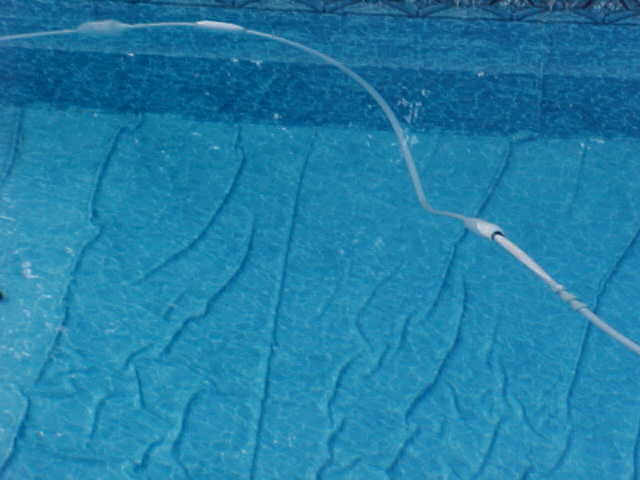
Nothing disrupts the beauty of your backyard oasis quite like unsightly vinyl pool liner wrinkles. These frustrating creases not only diminish your pool’s appearance but can also lead to serious damage if left unaddressed. Therefore, understanding what causes wrinkled vinyl pool liner issues and knowing how to resolve them becomes essential for Dallas pool owners who want to protect their investment. Understanding Vinyl Pool Liner Wrinkles Swimming pool liner wrinkles are exactly what they sound like—visible creases, folds, or ripples in your pool’s vinyl surface. These imperfections can range from minor cosmetic concerns to major structural issues requiring immediate attention. Moreover, they commonly appear after installation, seasonal changes, or years of normal wear and tear. Many pool owners ask why is my vinyl pool liner wrinkling when their pool was perfectly smooth just weeks or months earlier. The answer typically involves multiple contributing factors working together. Consequently, identifying the root cause helps determine the most effective solution. Common Causes of Vinyl Pool Liner Wrinkles Improper Installation Poor pool liner installation ranks among the most frequent causes of vinyl pool liner wrinkles. When installers don’t properly stretch and secure the liner during initial setup, wrinkles inevitably develop. Additionally, rushing the installation process or working in unfavorable temperatures compromises the final result. Vinyl pool liner wrinkles after installation often indicate that the liner wasn’t given adequate time to settle before filling. Furthermore, insufficient stretching during the installation process creates slack that manifests as visible creases once water pressure applies. Water Chemistry Imbalances Surprisingly, pool liner wrinkles from water chemistry represent a significant yet often overlooked cause. When pH levels swing too high or too low, the vinyl material responds by expanding or contracting. Similarly, excessive calcium hardness or alkalinity creates conditions where the liner loses its tight fit against the pool walls. Chemical imbalances gradually break down the vinyl’s plasticizers—compounds that keep the material flexible. Consequently, the liner becomes brittle, shrinks slightly, and develops wrinkles even years after installation. Regular water testing prevents this preventable problem. Groundwater Pressure Issues Vinyl liner wrinkles from groundwater occur when hydrostatic pressure builds beneath your pool. During heavy Dallas rainstorms or when groundwater tables rise, water can accumulate under the liner. This pressure literally pushes the liner away from the pool floor, creating bubbles and wrinkles. These issues appear more frequently in areas with high water tables or poor drainage. Additionally, pools without proper hydrostatic relief valves face greater risk of groundwater-related wrinkling problems. Temperature Fluctuations Texas weather creates perfect conditions for pool liner wrinkles due to temperature changes. Vinyl naturally expands in heat and contracts in cold. Therefore, dramatic temperature swings between scorching summer days and cooler nights stress the material. Vinyl pool liner shrinking and wrinkling becomes especially problematic during winter months when you close your pool. The combination of cold temperatures and reduced water pressure allows the liner to shift and develop persistent creases. Water Loss and Refilling Vinyl pool liner wrinkles after filling frequently puzzle pool owners who’ve drained their pools for maintenance or repairs. When you remove water completely, the liner loses the pressure that held it smooth against pool surfaces. Subsequently, refilling doesn’t always restore the original tight fit. The liner may have shifted, stretched, or developed permanent set points during the empty period. Furthermore, refilling too quickly or using water that’s significantly colder than the liner’s current temperature exacerbates wrinkling problems. Location-Specific Wrinkle Issues Shallow End Problems Vinyl pool liner wrinkles in shallow end areas occur more frequently than deep end issues. The shallow end experiences more direct sunlight exposure, greater temperature fluctuations, and higher concentrations of chemicals and debris. Additionally, this area sees the most foot traffic and physical stress. These factors combine to break down vinyl integrity faster in shallow areas. Moreover, the reduced water pressure in shallow sections provides less force to keep the liner smooth and tight against pool surfaces. How to Fix Vinyl Pool Liner Wrinkles DIY Wrinkle Removal Methods Many pool owners successfully remove wrinkles from pool liner using hands-on techniques. For minor wrinkles, try these approaches: First, use a toilet plunger to grab and pull wrinkles toward the pool edge or drain. This method works surprisingly well for fresh, small creases. Second, carefully smooth wrinkles by hand while the pool is full, working from the center of the wrinkle outward. Third, increase water temperature slightly to soften the vinyl, making it more pliable and easier to manipulate. However, always exercise caution when attempting DIY vinyl pool liner wrinkle repair. Aggressive pulling or using sharp tools can tear the liner, creating far more expensive problems than the original wrinkles. Professional Repair Solutions For persistent vinyl liner wrinkling problem situations, professional intervention becomes necessary. Expert technicians from AquaVida Pools and Spas use specialized techniques to smooth out vinyl pool liner issues effectively and safely. Professional pool liner repair services include: Complete drain-and-reset procedures when necessary Precision stretching using professional-grade equipment Underlying surface preparation and smoothing Identification and correction of installation defects Permanent wrinkle elimination for severe cases Our pool liner adjustment service ensures your liner looks perfect and maintains proper functionality. Additionally, professionals identify underlying issues like groundwater pressure or structural problems that DIY methods cannot address. Preventing Future Pool Liner Wrinkles Prevention always beats correction when managing pool liner wrinkles. Implement these strategies to maintain a smooth, beautiful pool surface: Firstly, maintain proper water chemistry consistently. Test your water weekly and adjust chemicals promptly. Secondly, keep your pool filled to the correct level year-round when possible. Thirdly, avoid draining your pool unnecessarily, especially during temperature extremes. Finally, schedule regular professional inspections to catch small issues before they escalate. Furthermore, choose quality liners during replacement. Premium vinyl resists chemical degradation and temperature-related shrinking better than budget options. Similarly, hiring experienced installers like those at AquaVida Pools and Spas ensures proper initial installation that prevents future wrinkle development. When to Consider Liner Replacement Sometimes fix vinyl pool liner wrinkles efforts prove futile because the liner has reached the end of its serviceable life. Consider