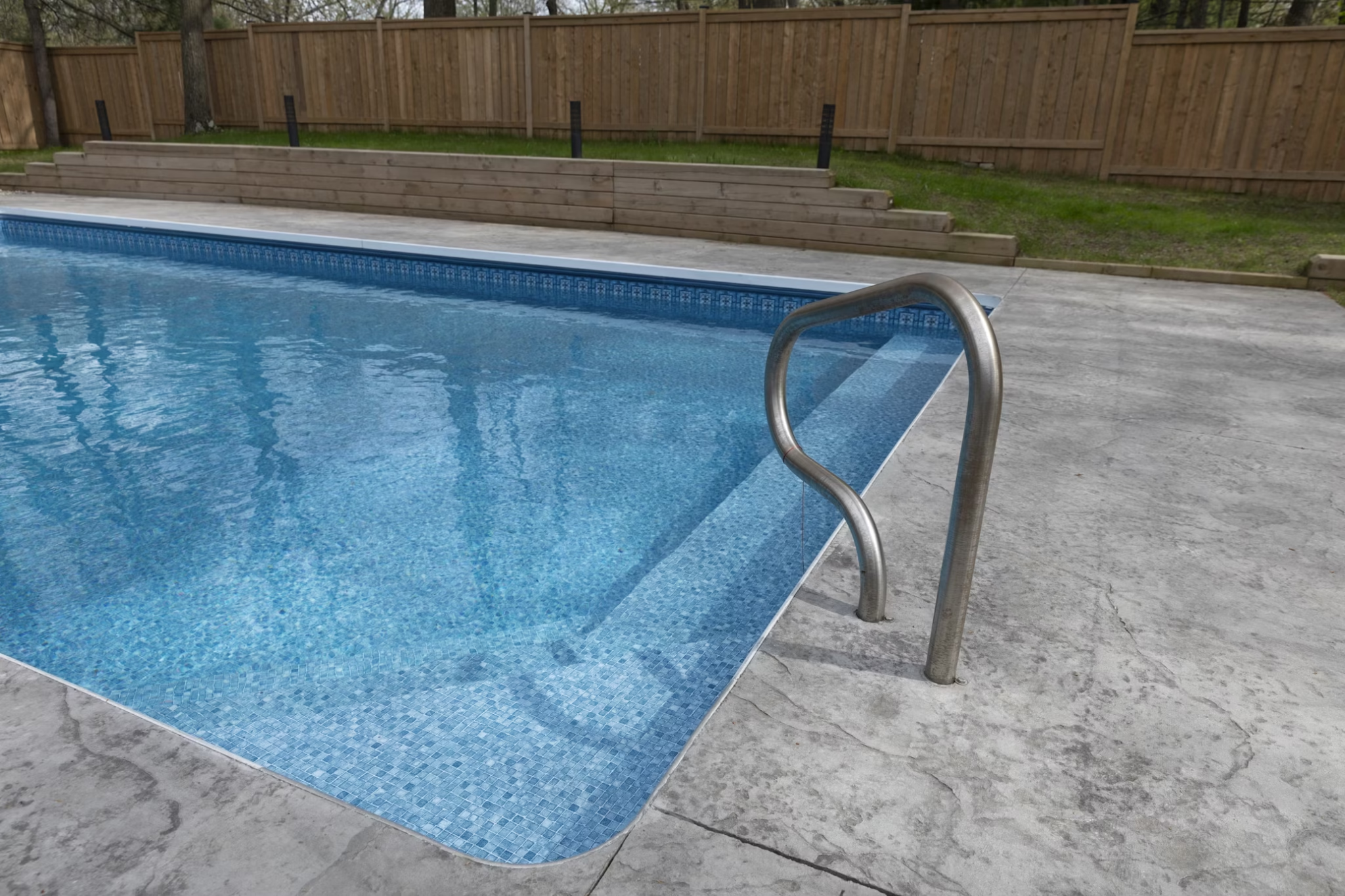
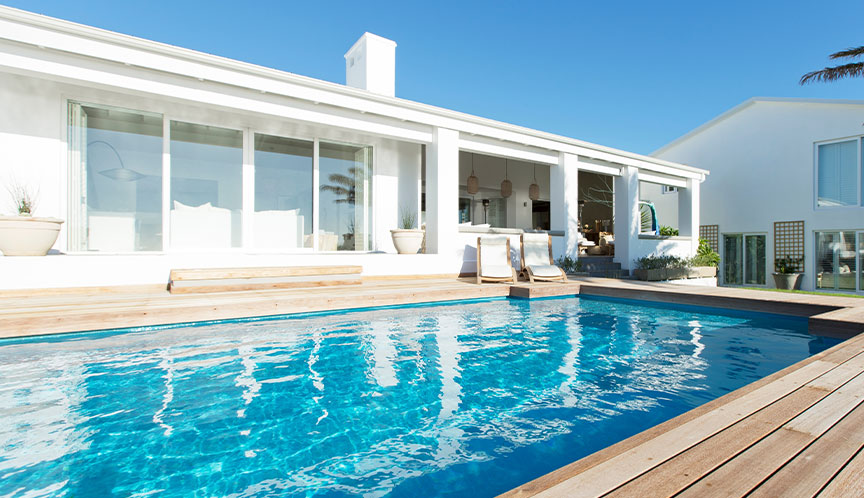
Nothing feels quite as refreshing as diving into your backyard pool on a hot Dallas summer day. However, when you notice your pool water level dropping, it can quickly turn that refreshing feeling into worry and frustration. Is your pool losing water due to normal pool water evaporation, or do you have a costly leak that needs immediate attention?
At Aquavida Pools and Spas, we help Dallas homeowners answer this critical question every day. Understanding the difference between normal water loss and a leak can save you thousands of dollars in water bills and potential structural damage. Let’s explore everything you need to know about swimming pool water evaporation and how to identify when you actually have a leak.
Understanding Pool Water Evaporation in Dallas
First, let’s address the most important question: does pool water evaporate? Absolutely! Swimming pool evaporation is a completely natural process that occurs in every pool, regardless of size or type. Water molecules constantly escape from your pool’s surface into the air, especially in hot, dry climates like Dallas, Texas.
The process intensifies during our scorching Texas summers when temperatures regularly soar above 100 degrees Fahrenheit. Additionally, wind, humidity levels, and sun exposure all play significant roles in evaporation from pool surfaces. Therefore, seeing your water level drop doesn’t automatically mean you have a leak.
How Much Water Evaporates from a Pool in Dallas?
Many Dallas pool owners ask us, “how much water evaporates from a swimming pool normally?” The answer depends on several environmental factors specific to our region.
Generally speaking, pool evaporation rates in Dallas can range from a quarter inch to half an inch per day during peak summer months. This means your pool could lose approximately two to four inches of water per week through normal pool water evaporation alone. During particularly hot, windy days, these rates can climb even higher.
To put this in perspective, how much water does a pool lose to evaporation annually? A typical residential pool in Dallas might lose between 1,000 to 4,000 gallons per month during summer months through evaporation alone. That’s a significant amount of water, which explains why Dallas pool owners often see noticeable drops in their water levels.
Factors Affecting Swimming Pool Evaporation Rates
Understanding what influences how fast does pool water evaporate helps you determine whether your water loss falls within normal ranges. Several key factors affect swimming pool evaporation rates in Dallas.
Temperature plays the primary role in evaporation speed. The hotter the water and air temperature, the faster evaporation occurs. Dallas summers consistently provide ideal conditions for rapid evaporation, with temperatures often exceeding 95 degrees Fahrenheit for weeks at a time.
Humidity levels also significantly impact how much water evaporates in a pool. Lower humidity means drier air that absorbs more moisture from your pool surface. Dallas experiences relatively low humidity during summer months, which accelerates water loss through evaporation.
Wind speed dramatically increases evaporation rates as well. When wind blows across your pool surface, it removes the thin layer of humid air directly above the water and replaces it with drier air. Consequently, how fast does water evaporate from a pool depends partly on your pool’s exposure to wind.
Surface area matters too. Larger pools naturally lose more water through evaporation simply because they have more surface area exposed to air. However, the rate per square foot remains consistent regardless of pool size.
Pool usage and features also affect water loss. Waterfalls, fountains, and heated pools all increase pool water evaporation significantly. Swimming and splashing introduce more water surface area to air, speeding up the evaporation process.
The Bucket Test: Determining Normal Water Loss
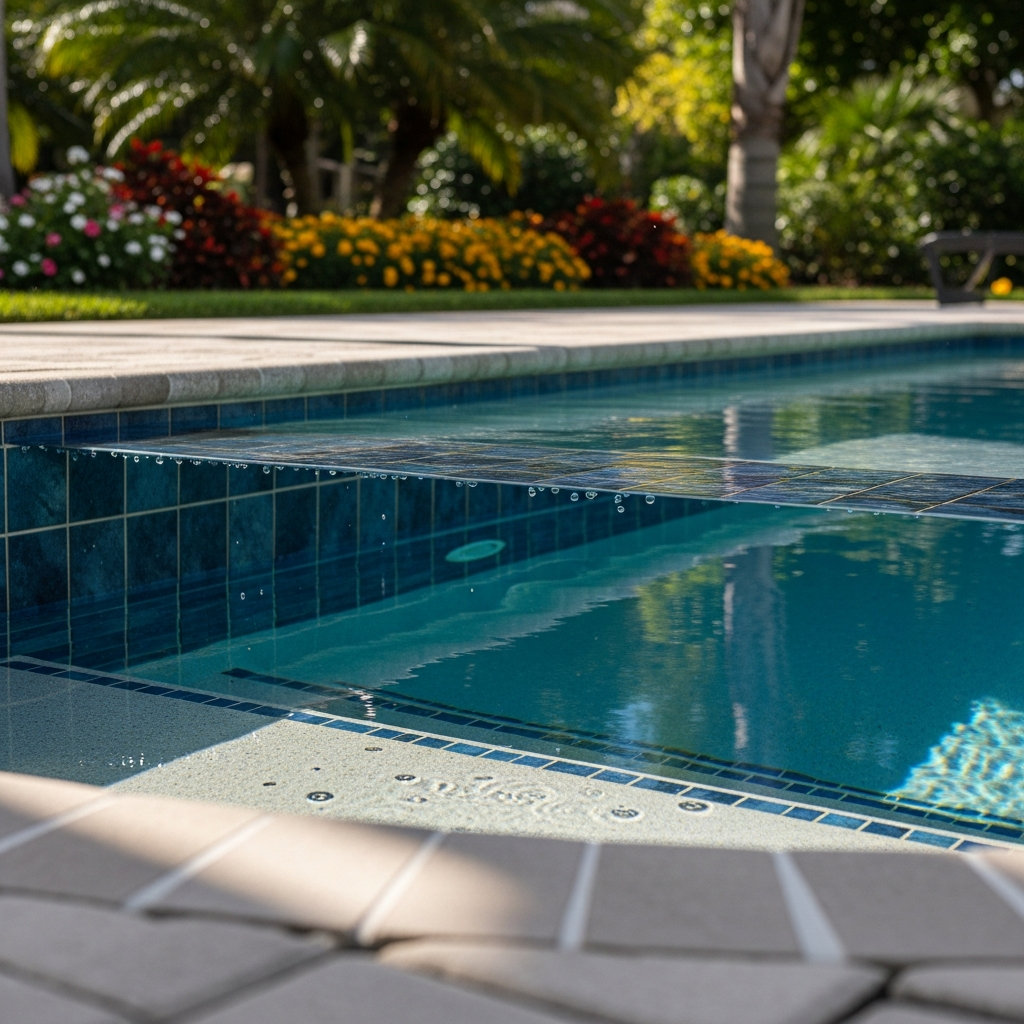
Now that you understand how much evaporation from pool is normal, let’s discuss how to determine whether your water loss exceeds typical pool evaporation rates. The bucket test provides a simple, reliable method that Dallas homeowners can perform themselves.
Here’s how to conduct this test properly. Fill a five-gallon bucket three-quarters full with pool water. Place the bucket on your pool’s first or second step so it sits in the water but remains stable. Mark the water level inside the bucket with a waterproof marker or piece of tape. Similarly, mark the pool’s water level on the pool wall or tile.
Wait 24 hours without adding water to your pool or running any water features. After 24 hours, compare the water loss in both the bucket and the pool. If the water level dropped equally in both, you’re experiencing normal swimming pool evaporation. However, if your pool lost significantly more water than the bucket, you likely have a leak that requires professional attention.
This test works because both the bucket and pool experience the same environmental conditions. Therefore, evaporation from pool water should affect both equally. Any difference indicates water loss beyond normal evaporation.
Reducing Pool Water Evaporation
Understanding how much water will evaporate from a pool helps you implement strategies to minimize this loss. While you can’t eliminate evaporation entirely, several methods significantly reduce water loss and save money on your water bills.
Installing a pool evaporation cover represents the single most effective solution for reducing water loss. Quality pool covers can reduce evaporation by up to 95 percent when properly used. They work by creating a barrier between the water surface and air, preventing water molecules from escaping. Moreover, covers also help retain heat, reduce chemical usage, and keep debris out of your pool.
Strategically placing windbreaks around your pool area also helps. Fences, hedges, or privacy screens reduce wind exposure, which directly impacts how fast does swimming pool water evaporate. Even reducing wind speed slightly can result in noticeable water savings over time.
Lowering your pool’s water temperature by just a few degrees can also reduce evaporation rates. While this might seem counterintuitive during hot Dallas summers, slightly cooler water evaporates more slowly than warmer water. Consider reducing heater settings or using an evaporative pool chiller to manage temperature efficiently.
Adding shade structures over part or all of your pool reduces direct sun exposure. Pergolas, shade sails, or strategic landscaping with trees can lower water temperature and reduce evaporation simultaneously. However, ensure any landscaping doesn’t create maintenance issues with falling leaves and debris.
Minimizing water features during peak evaporation hours also helps. Waterfalls and fountains are beautiful, but they dramatically increase water loss through evaporation. Running these features during cooler evening hours rather than hot afternoons conserves water effectively.
Signs You Have a Leak Beyond Normal Evaporation
While swimming pool water evaporation accounts for significant water loss, certain signs indicate you’re dealing with an actual leak. Recognizing these signs helps you address problems before they cause extensive damage.
Excessive water loss that fails the bucket test clearly indicates a leak. If your pool consistently loses more than half an inch daily, or if the bucket test shows disproportionate pool water loss, you likely have a leak requiring professional investigation.
Soft, soggy ground around your pool suggests underground leaks. Similarly, cracks in your pool deck or shifting pavers often indicate water escaping beneath the surface. These structural issues frequently accompany plumbing leaks and should never be ignored.
Persistent algae growth despite proper chemical maintenance sometimes indicates fresh water constantly entering your pool from groundwater seeping through cracks. Conversely, if you’re constantly adding more chemicals than usual, a leak might be diluting your pool water more rapidly than normal evaporation would.
Air bubbles in return lines or difficulty maintaining prime in your pool pump often signal suction-side leaks. These issues affect your pool’s circulation system and require immediate professional attention to prevent equipment damage.
Why Choose Aquavida Pools and Spas for Your Dallas Pool Needs
At Aquavida Pools and Spas, we understand that Dallas pool owners face unique challenges related to our climate and pool evaporation rates. Our experienced team provides comprehensive pool services, from routine maintenance to leak detection and repair.
We use advanced leak detection technology to identify even the smallest leaks without unnecessary excavation. Our technicians understand how much water does a swimming pool lose to evaporation naturally in Dallas, allowing us to distinguish between normal water loss and problematic leaks accurately.
Additionally, we offer expert advice on reducing pool water evaporation through covers, landscaping, and equipment upgrades. Our goal is helping Dallas homeowners enjoy their pools while minimizing maintenance costs and water waste.
Whether you need leak detection, repair services, or simply want to reduce your pool’s water consumption, Aquavida Pools and Spas delivers reliable, professional service tailored to Dallas’s unique climate conditions.
Conclusion
Understanding the difference between normal pool water evaporation and actual leaks saves Dallas homeowners significant money and stress. While our hot, dry climate means can pool water evaporate at surprisingly high rates, knowing what’s normal helps you identify problems early.
Remember that how much water should a pool lose to evaporation depends on numerous factors including temperature, humidity, wind, and pool features. The bucket test provides a simple, effective method for determining whether your water loss exceeds normal expectations.
If you’re concerned about your pool’s water loss or need professional assistance distinguishing between evaporation and leaks, contact Aquavida Pools and Spas today. Our Dallas team is ready to help you maintain a healthy, efficient pool all year long.
FAQ
Q1: How much water does a pool lose to evaporation in Dallas during summer?
Dallas pools typically lose between a quarter inch to half an inch of water daily during peak summer months due to evaporation. This translates to approximately two to four inches weekly, or 1,000 to 4,000 gallons monthly. Factors like extreme heat, low humidity, and wind can increase these rates significantly during the hottest parts of summer.
Q2: How can I tell if my pool water loss is from evaporation or a leak?
Perform the simple bucket test to determine the cause of water loss. Fill a bucket with pool water, place it on your pool steps, and mark water levels in both the bucket and pool. After 24 hours, compare the water loss in both. Equal loss indicates normal evaporation, while excessive pool water loss suggests a leak requiring professional inspection.
Q3: Does a pool evaporation cover really make a difference in water conservation?
Yes, absolutely! A quality pool evaporation cover can reduce water loss by up to 95 percent when used consistently. Beyond water conservation, covers also maintain water temperature, reduce chemical evaporation, minimize debris accumulation, and can save Dallas pool owners hundreds of dollars annually in water and chemical costs.
Q4: How fast does water evaporate from a pool on extremely hot Dallas days?
During extreme heat events when temperatures exceed 100 degrees Fahrenheit with low humidity and wind, Dallas pools can lose up to three-quarters of an inch or even a full inch of water daily. These conditions are common during July and August, making it crucial to understand normal evaporation rates versus problematic leaks.
Q5: What time of day does pool water evaporate fastest in Dallas?
Pool water evaporates fastest during afternoon hours between 2 PM and 6 PM when temperatures peak and humidity drops to its lowest levels. During these hours, the combination of intense sun exposure, high air temperature, and low humidity creates optimal conditions for rapid evaporation. Running water features during evening hours instead can significantly reduce water loss.