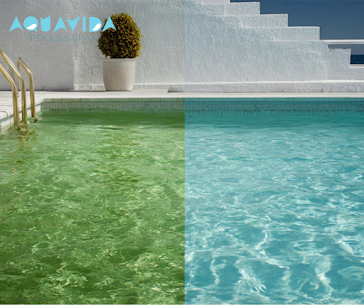
Discovering algae in your swimming pool can turn a perfect summer day into a frustrating maintenance challenge. However, understanding effective pool algae treatment methods empowers Dallas homeowners to tackle this common problem confidently and restore their pool’s sparkle quickly. Therefore, we’ve created this comprehensive pool algae treatment guide covering everything from immediate intervention strategies to long-term prevention techniques that keep your water crystal clear all season.
Swimming pool algae doesn’t have to feel overwhelming or require expensive professional services for every outbreak. Moreover, learning proper algae treatment for pool maintenance helps you identify problems early when they’re easiest to resolve. Additionally, implementing consistent prevention strategies dramatically reduces algae frequency, saving time, money, and frustration throughout swimming season.
Understanding Different Algae Types
Before exploring pool algae prevention steps, recognizing the specific algae type affecting your pool ensures you select the most effective approach. Each variety requires slightly different treatment intensities, though fundamental principles remain consistent across all types.
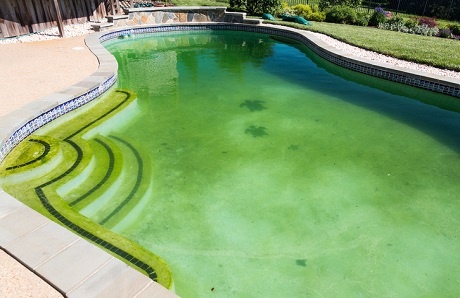
Green algae represents the most common pool invader throughout Dallas. This free-floating algae clouds water rapidly when chlorine levels drop or circulation systems underperform. Fortunately, green algae pool treatment proves relatively straightforward with proper chemical application and thorough brushing. Most green algae responds quickly to aggressive treatment protocols.
Black algae presents significantly greater challenges due to its protective outer coating and deep root structures that penetrate pool surfaces. Black algae pool treatment demands patience and persistence, often requiring multiple treatment rounds and intensive scrubbing to eliminate completely. This stubborn variety resists standard treatment approaches that work perfectly for green algae.
Yellow algae, also called mustard algae, appears less frequently but spreads aggressively once established. Yellow algae pool treatment involves similar chemicals to green algae protocols but typically requires higher concentrations and more vigorous brushing. Mustard algae pool treatment focuses particularly on shaded areas and pool floors where this variety thrives.
Best Pool Algae Treatment Methods
Shock Treatment: The Foundation
The best algae treatment starts with shocking your water using concentrated chlorine. This chlorine pool algae treatment raises sanitizer levels dramatically, overwhelming algae cells and destroying them rapidly. Pool shock algae treatment involves adding three to four times your pool’s normal chlorine amount, creating conditions where algae simply cannot survive.
This powerful swimming pool treatment works by oxidizing organic matter, breaking down algae cell walls, and effectively sterilizing contaminated water. Many Dallas pool owners prefer liquid chlorine for algae due to its convenient application and rapid dissolution, though granular calcium hypochlorite offers excellent cost-effectiveness for larger treatments.
Timing matters significantly in effective pool treatment. Shock your pool during evening hours when sunlight won’t degrade chlorine effectiveness. Additionally, running your circulation system continuously during treatment ensures chemicals distribute evenly throughout your entire pool volume, reaching every affected corner and crevice.
Algaecide Application
While shock provides primary killing power, algaecide for pool algae offers valuable supplemental support in eliminating stubborn colonies and preventing future outbreaks. Quality algaecides attack algae’s cellular structure from different angles than chlorine, providing comprehensive algae treatment for pool situations when used together properly.
However, algaecide should supplement rather than replace proper chlorination and filtration. Understanding how to treat pool algae effectively requires recognizing that algaecide alone rarely succeeds without adequate chlorine levels and thorough physical brushing working synergistically.
Physical Removal Through Brushing
Effective pool algae removal demands vigorous brushing to dislodge algae from pool surfaces. This critical physical component breaks algae’s grip on walls, floors, and steps, allowing chemicals to penetrate protective layers and reach living cells beneath. Thorough brushing represents an essential step in how to get rid of algae in pool water quickly.
Focus brushing efforts on areas showing visible algae growth, particularly steps, corners, behind ladders, and shaded regions where colonies establish most readily. Additionally, brushing stirs dormant algae into your water where circulation systems filter it out and chemicals destroy it effectively.
Pool Algae Treatment Steps for Success
Following proper pool algae treatment steps ensures thorough elimination without wasting chemicals or effort. Start by testing and balancing your water chemistry, particularly pH levels which should fall between 7.2 and 7.6 for optimal chlorine effectiveness. Next, brush all pool surfaces vigorously to dislodge algae and expose it to chemical treatment.
Then shock your pool according to algae severity—light infestations need double shocking, moderate cases require triple shocking, and heavy blooms demand quadruple normal shock amounts. Run your circulation system continuously, maintaining it until water clears completely. Additionally, brush surfaces every few hours during active treatment to prevent algae from re-establishing.
Clean or backwash your filter frequently during treatment as dead algae accumulates rapidly and reduces filtration efficiency. Finally, test water chemistry daily throughout treatment, adjusting chlorine and pH as needed to maintain optimal conditions for algae destruction.
Alternative and Natural Treatment Options
Many Dallas homeowners explore natural pool algae treatment alternatives to traditional chemicals. While professional products deliver the most reliable results, understanding these options helps you make informed decisions about algae treatment at home approaches.
Baking soda pool algae treatment doesn’t directly kill algae but helps balance pH and alkalinity, creating conditions less favorable for algae growth. However, relying solely on baking soda cannot eliminate active infestations and works better as a preventive measure supporting proper chemistry.
Vinegar algae treatment generates interest as an eco-friendly option. While vinegar’s acidity can slow algae growth slightly, it simultaneously lowers pH dramatically and requires impractical quantities for pool-sized volumes. Therefore, vinegar proves ineffective for serious swimming pool algae treatment needs.
Eco-friendly pool products exist that use biodegradable ingredients and gentler chemicals. These alternatives work more slowly than traditional shock treatments but offer options for environmentally conscious pool owners willing to invest extra time in algae treatment for pool situations.
Non-chlorine pool algae treatment using alternatives like hydrogen peroxide or potassium monopersulfate provides options for chlorine-sensitive individuals. However, these approaches typically require more frequent applications and careful monitoring compared to traditional chlorine pool algae treatment protocols.
Preventing Pool Algae Growth
The most effective pool treatment is prevention. Understanding how to get rid of algae in pool environments before visible infestations develop saves significant time, money, and frustration while ensuring your pool remains inviting throughout swimming season.
Prevent pool algae growth by maintaining consistent chlorine levels between 1-3 ppm for routine maintenance. Additionally, keep pH balanced between 7.2-7.6, alkalinity within 80-120 ppm, and calcium hardness between 200-400 ppm. This proper pool water chemistry creates stable conditions that resist algae establishment effectively.
Consistent circulation and filtration prove equally critical in pool algae prevention tips strategies. Run your pump at least 8-10 hours daily during summer months, ensuring water circulates completely and prevents stagnant pockets where algae colonies establish. Moreover, regular filter cleaning maintains optimal filtration efficiency, removing algae spores before they multiply.
Weekly brushing of all pool surfaces disrupts algae before colonies become visible, making this simple task one of the most valuable pool maintenance to avoid algae practices available. Furthermore, regular skimming removes organic debris that feeds algae growth, particularly important in Dallas where wind-blown leaves, pollen, and dust constantly contaminate pools.
Shocking your pool weekly during peak season provides another protective layer. This proactive pool treatment eliminates spores and organic contamination before they create visible problems, embodying the philosophy that prevention beats treatment consistently.

When to Seek Professional Help
While most algae situations respond well to diligent DIY efforts, certain circumstances warrant professional pool algae treatment. Persistent black algae returning despite multiple treatment attempts, widespread infestation affecting your entire pool, recurring algae problems despite consistent maintenance, or uncertainty about proper chemical handling all suggest situations requiring expert intervention.
Pool algae removal service specialists possess commercial-grade chemicals, specialized equipment, and extensive experience tackling severe algae problems efficiently. Additionally, pool cleaning service algae professionals identify structural issues, equipment failures, or water chemistry imbalances contributing to recurring growth that homeowners might overlook.
Investing in regular pool maintenance service near me providers offers peace of mind, especially for busy Dallas families struggling to maintain consistent maintenance schedules. These services ensure your pool receives proper chemical treatment, thorough cleaning, and equipment inspections that prevent algae before it starts.
Common Treatment Mistakes to Avoid
Understanding how to treat pool algae includes recognizing common mistakes that prolong problems or waste resources. Many homeowners under-shock their pools, using insufficient chlorine to kill algae completely. This approach allows surviving algae to rebound quickly, creating frustrating cycles of temporary improvement followed by rapid regrowth.
Neglecting to brush represents another critical error in pool treatment steps. Chemicals alone cannot penetrate algae’s protective layers without physical disruption. Additionally, failing to run circulation continuously during treatment prevents even chemical distribution and allows treated algae to settle and potentially regrow.
Ignoring filter maintenance during heavy swimming pool algae treatment reduces effectiveness significantly. Dead algae clogs filters rapidly, reducing circulation and preventing proper water filtration that removes destroyed algae cells from your pool.
Your Path to Algae-Free Swimming
Mastering effective pool treatment and prevention requires combining immediate intervention with ongoing maintenance commitment. Start by identifying your algae type, then implement appropriate treatment intensity using shock, algaecide, and thorough brushing while maintaining continuous circulation.
Sustain this success through consistent water chemistry testing and adjustment, regular brushing and skimming, proper circulation and filtration, plus weekly preventive shocking during peak season. This comprehensive approach addresses both immediate algae problems and prevents future outbreaks effectively.
AquaVida Pools and Spas understands the unique challenges Dallas pool owners face with algae control. Our team provides expert consultations, professional pool algae treatment services, and ongoing maintenance programs keeping your pool pristine year-round. Don’t let algae ruin another swimming season. Contact AquaVida Pools and Spas today to discover how our pool algae removal service expertise makes pool ownership enjoyable and worry-free.
Frequently Asked Questions
- What is the best pool algae treatment method?
The best pool algae treatment combines shock treatment with vigorous brushing and continuous circulation. Chlorine pool algae treatment using triple or quadruple normal shock amounts provides the foundation, while algaecide for pool algae supplements chemical attack. Following proper pool algae treatment steps including brushing every few hours and running filtration continuously ensures complete pool algae removal.
- How do I treat green algae in my pool?
Green algae pool treatment requires shocking with concentrated chlorine, brushing all surfaces thoroughly, and running circulation continuously. Triple-shock your pool during evening hours, brush vigorously every 4-6 hours, add algaecide for pool algae, and maintain filtration until water clears. This aggressive swimming pool algae treatment typically resolves green algae within 24-48 hours.
- What makes black algae so difficult to treat?
Black algae pool treatment proves challenging because this variety develops protective outer layers and deep root structures penetrating pool surfaces. Effective algae treatment for pool black varieties requires scrubbing with stainless steel brushes to break protective coatings, applying chlorine directly to spots, heavy shocking, and repeated treatments. Patience and persistence prove essential in how to treat pool algae black types.
- How long does pool algae treatment take?
Pool algae treatment duration depends on algae type and severity. Green algae pool treatment typically clears within 24-48 hours with aggressive intervention. Yellow algae pool treatment may require 2-3 days, while stubborn black algae pool treatment can take weeks of repeated applications. Following proper pool algae treatment steps and maintaining continuous circulation speeds the process significantly.
- What are the essential pool algae treatment steps?
Essential pool algae treatment steps include testing and balancing water chemistry, brushing all surfaces vigorously, shocking appropriately for algae severity, running circulation continuously, adding algaecide for pool algae, brushing every few hours during treatment, cleaning filters frequently, and testing chemistry daily. This systematic pool algae treatment guide approach ensures thorough pool algae removal without wasting effort or chemicals.
- How can I prevent pool algae from returning?
Prevent pool algae growth through maintaining consistent chlorine levels (1-3 ppm), balancing pH (7.2-7.6) and alkalinity (80-120 ppm), running circulation 8-10 hours daily, brushing weekly, shocking preventively during peak season, and skimming debris promptly. These pool algae prevention tips and pool maintenance to avoid algae practices create conditions where algae cannot establish effectively.
- When should I hire professional pool algae treatment services?
Hire professional pool algae services for persistent black algae despite multiple DIY attempts, widespread severe infestations, recurring problems despite consistent maintenance, or uncertainty about proper chemical handling. Pool algae removal service professionals have commercial chemicals and equipment for faster results. Regular pool cleaning service algae maintenance through pool maintenance service near me providers prevents problems entirely.
- Does proper water chemistry really prevent algae growth?
Yes, proper pool water chemistry proves essential in pool algae prevention tips strategies. Maintaining balanced chlorine, pH, alkalinity, and calcium hardness creates stable conditions resisting algae establishment. Combined with adequate circulation and regular brushing, proper chemistry represents the foundation of pool maintenance to avoid algae. Consistent chemistry monitoring prevents most algae problems before visible infestations develop.