Choosing the right material for your pool represents one of the most critical decisions in your backyard transformation journey. Dallas homeowners face unique challenges with extreme heat, occasional freezing temperatures, and soil conditions that demand careful consideration. Understanding your material options ensures your investment delivers decades of enjoyment and value.
Understanding Your Inground Pools in Dallas Material Options
The inground pools Dallas market offers three primary material choices: concrete, fiberglass, and vinyl liner. Each material brings distinct advantages and considerations that affect longevity, maintenance, aesthetics, and overall performance. Furthermore, Dallas’s climate plays a significant role in determining which material best suits your property and lifestyle.
Selecting the appropriate material impacts everything from initial installation costs to long-term maintenance expenses. Therefore, educated homeowners research thoroughly before making this important decision. Your choice will shape your backyard experience for years to come.
Concrete: The Premium Choice for Custom Inground Pools Dallas
Concrete pools, also known as gunite or shotcrete pools, dominate the luxury inground pools Dallas market for good reason. This material offers unparalleled flexibility in design, allowing you to create virtually any shape, size, or depth imaginable. Additionally, concrete handles Dallas’s temperature fluctuations exceptionally well when properly constructed.
Concrete inground pools Dallas installations begin with steel reinforcement frameworks that get sprayed with concrete mixture. This construction method creates incredibly strong structures that resist ground movement and settling. Moreover, concrete pools can incorporate custom features like beach entries, swim-up bars, and integrated spas seamlessly.
The durability of concrete makes it ideal for Dallas’s harsh conditions. Properly maintained concrete pools regularly last 50 years or more, making them genuine long-term investments. Your pool becomes a permanent fixture that can be renovated and updated as design trends evolve.
However, concrete requires more maintenance than other materials. The porous surface needs regular brushing to prevent algae growth, and the plaster finish typically requires resurfacing every 10-15 years. Despite these requirements, many homeowners consider concrete the gold standard for residential pools in Dallas.

Fiberglass: The Low-Maintenance Solution
Fiberglass pools Dallas installations have surged in popularity among homeowners seeking minimal maintenance obligations. These pools arrive as single-piece molded shells manufactured in controlled factory environments. Consequently, installation occurs much faster than concrete alternatives, often completing within weeks rather than months.
The smooth, non-porous gelcoat surface of fiberglass resists algae growth naturally. This characteristic dramatically reduces chemical usage and cleaning time compared to concrete pools. Therefore, fiberglass appeals to busy Dallas families who want more swimming time and less maintenance work.
Fiberglass handles temperature variations well, with some flexibility that accommodates ground movement without cracking. The material also insulates better than concrete, potentially reducing heating costs during cooler months. These practical advantages make fiberglass an increasingly popular choice for backyard pools Dallas projects.
The primary limitation involves design flexibility. Fiberglass pools come in predetermined shapes and sizes from manufacturer catalogs. While modern options include numerous attractive designs, you cannot achieve the complete customization possible with concrete. Additionally, width restrictions exist because shells must transport on trucks to your property.
Despite these constraints, fiberglass offers excellent value for homeowners prioritizing convenience and lower lifetime costs. The initial investment often costs less than comparable concrete pools, and reduced maintenance expenses accumulate significant savings over decades of ownership.
Vinyl Liner: The Budget-Friendly Option
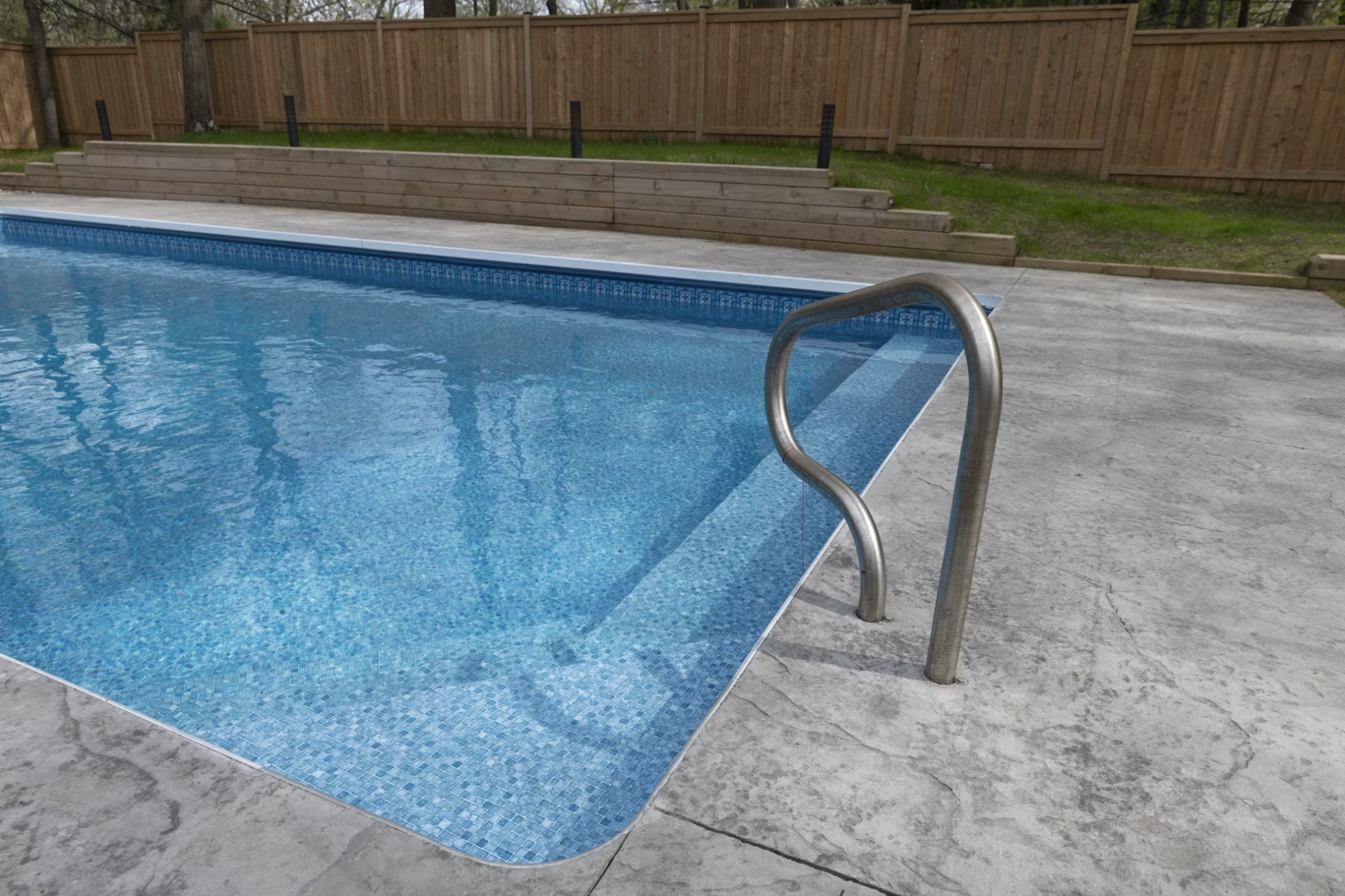
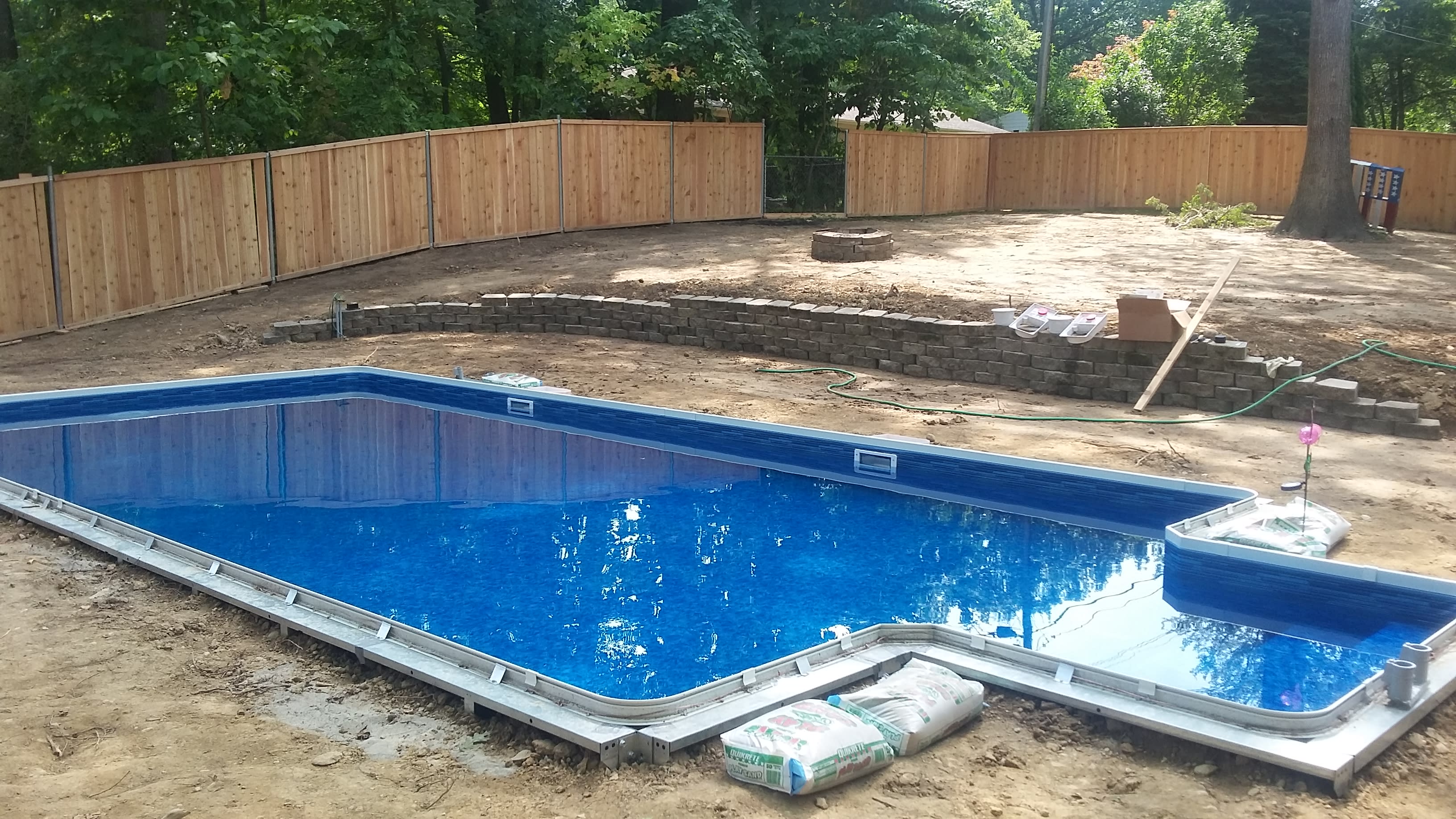
Vinyl liner pools Dallas installations represent the most economical entry point for homeowners wanting inground pools in Dallas. These pools feature walls constructed from steel, aluminum, or polymer panels with vinyl liners creating the waterproof barrier. This construction method significantly reduces initial costs compared to concrete or fiberglass alternatives.
Vinyl liners offer extensive aesthetic options with patterns ranging from simple blue to elaborate tile or mosaic designs. Manufacturers regularly introduce new patterns, allowing you to update your pool’s appearance when replacing liners. This flexibility appeals to homeowners who enjoy refreshing their backyard aesthetics periodically.
The smooth vinyl surface feels comfortable underfoot and requires minimal brushing for maintenance. However, vinyl proves more vulnerable to punctures and tears than other materials. Sharp objects, pet claws, and even aggressive cleaning can damage the liner, necessitating repairs or replacement.
Dallas’s climate presents specific challenges for vinyl pools. Extreme heat accelerates liner deterioration, and temperature fluctuations can cause expansion and contraction that stresses seams. Therefore, vinyl liners in Dallas typically require replacement every 7-10 years, creating ongoing expenses that accumulate over time.
For budget-conscious homeowners, vinyl provides a pathway to pool ownership that might otherwise remain unaffordable. However, understanding the long-term replacement costs helps set realistic expectations about total ownership expenses.
Climate Considerations for Dallas Pool Materials
Dallas experiences temperature extremes that test pool materials rigorously. Summer temperatures regularly exceed 100°F, while occasional winter freezes challenge pool structures. Additionally, the expansive clay soils common throughout Dallas shift with moisture changes, creating ground movement that pools must withstand.
Pool installation Dallas professionals understand these local challenges and adjust construction techniques accordingly. Proper soil preparation, adequate drainage, and appropriate materials selection ensure your pool survives Dallas’s demanding conditions. Working with experienced swimming pool contractors Dallas who understand regional requirements proves essential.
Concrete pools excel in Dallas’s climate when properly constructed with adequate steel reinforcement and expansion joints. The material’s strength resists ground movement, and proper chemical balance protects against surface deterioration from intense sun exposure. Regular maintenance preserves concrete pools through decades of Dallas summers.
Fiberglass pools’ flexibility allows them to accommodate minor ground shifts without cracking. The factory-controlled manufacturing ensures consistent quality unaffected by weather during construction. However, ensuring proper backfilling during installation prevents future settling problems.
Vinyl liner pools require vigilant maintenance in Dallas’s heat. UV exposure degrades vinyl over time, and extreme temperatures accelerate this process. Maintaining proper water chemistry and using UV-resistant liners extends service life significantly.
Choosing Materials for Modern Backyard Pool Designs
Contemporary modern backyard pool designs emphasize clean lines, geometric shapes, and integrated outdoor living spaces. Material selection influences which design elements become feasible for your project. Therefore, aligning your aesthetic vision with material capabilities ensures satisfaction with the final result.
Concrete’s versatility makes it ideal for cutting-edge designs featuring infinity edges, perimeter overflows, or complex geometric patterns. Custom tile work, exposed aggregate finishes, and integrated water features achieve sophisticated appearances that elevate your entire outdoor space. This flexibility explains why concrete dominates the luxury inground pools Dallas segment.
Fiberglass manufacturers now offer contemporary rectangular and geometric designs that suit modern aesthetics. While customization remains limited compared to concrete, many homeowners find suitable options within fiberglass catalogs. The quick installation timeline appeals to those eager to enjoy their new pools promptly.
Vinyl pools can achieve modern appearances through strategic design and quality liner selections. However, achieving truly custom shapes requires concrete or fiberglass solutions. Vinyl works best for homeowners satisfied with standard rectangular or simple freeform designs.
Working with Expert Swimming Pool Contractors Dallas
Selecting qualified contractors matters as much as choosing the right material. At AquaVida Pools and Spas, our experience with Dallas’s unique conditions ensures your pool performs beautifully for decades. We guide homeowners through material selection based on their priorities, budget, and property characteristics.
Our team understands how different materials interact with Dallas’s clay soils, temperature extremes, and water chemistry requirements. This expertise prevents common problems that plague poorly constructed pools. Additionally, we maintain relationships with premium material suppliers, ensuring your pool features the highest quality components available.
Whether you envision custom inground pools Dallas residents will admire or practical residential pools in Dallas for family enjoyment, we deliver exceptional results. Our comprehensive approach addresses every detail from initial design through final landscaping, creating cohesive outdoor environments that enhance your lifestyle.
Making Your Material Decision
Choosing between concrete, fiberglass, and vinyl depends on multiple factors beyond initial cost. Consider your long-term maintenance preferences, desired design complexity, and how long you plan to remain in your home. Each material offers genuine value when matched appropriately to your situation.
Concrete provides maximum customization and longevity with higher maintenance requirements. Fiberglass delivers convenience and lower lifetime costs with design limitations. Vinyl offers affordability with ongoing replacement expenses. Understanding these tradeoffs empowers you to make decisions aligned with your priorities.
Dallas homeowners deserve pools built to withstand local conditions while delivering years of enjoyment. The right material selection, combined with expert installation, creates backyard pools Dallas families treasure for generations.
Frequently Asked Questions
Which pool material lasts longest in Dallas?
Concrete pools typically last 50+ years with proper maintenance, making them the most durable option. Fiberglass pools last 25-30 years, while vinyl liners require replacement every 7-10 years in Dallas’s climate, though the pool structure itself lasts longer.
Are fiberglass pools good for Dallas weather?
Yes, fiberglass pools perform excellently in Dallas. The material handles temperature fluctuations well and requires less maintenance than concrete. The non-porous surface resists algae growth, which is particularly beneficial during hot Dallas summers.
How much does material choice affect pool costs?
Material significantly impacts both initial and long-term costs. Vinyl pools cost least initially but require periodic liner replacement. Fiberglass falls in the middle range with minimal ongoing costs. Concrete costs most initially but offers greatest customization and longevity.
Can I customize the shape with all pool materials?
Concrete offers unlimited shape customization. Fiberglass comes in predetermined shapes, though many attractive options exist. Vinyl allows some customization but works best for standard shapes. Your design vision should influence material selection.
What material requires least maintenance in Dallas?
Fiberglass requires the least maintenance due to its smooth, non-porous surface that resists algae. Vinyl needs moderate maintenance and periodic replacement. Concrete demands the most attention with regular brushing and eventual resurfacing, but many homeowners find the customization worth the effort.